
Top Signs Your Water Heater Needs Immediate Repair
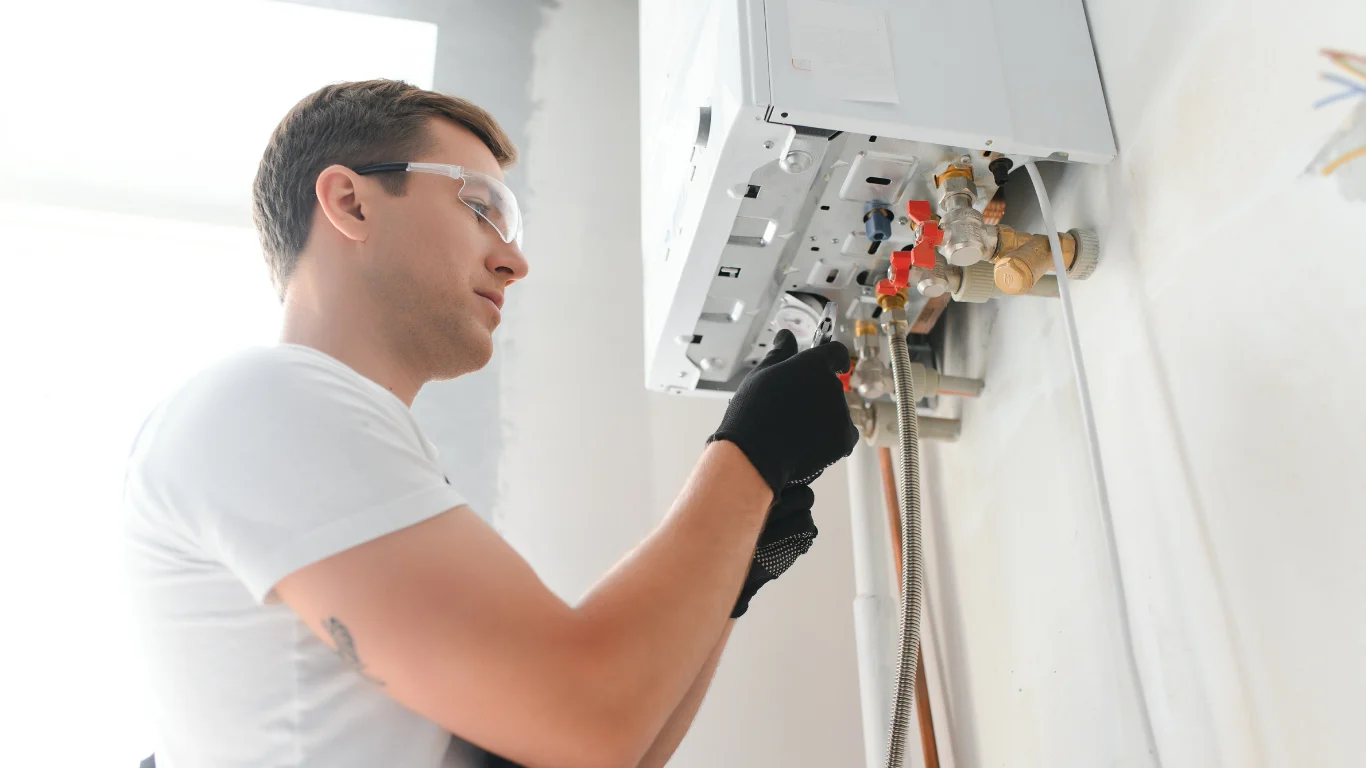
There’s nothing quite like the shock of stepping into a freezing cold shower on a Monday morning or discovering a puddle of water spreading across your basement floor. Your water heater is one of those appliances you completely take for granted until something goes wrong. Hot water for showers, dishes, laundry, and cleaning is so fundamental to modern life that most homeowners never think about their water heater until it stops working.
The problem is that water heaters rarely fail without warning. They give you signs, some subtle and others impossible to ignore, that something is wrong. Recognizing these warning signals early can mean the difference between a simple repair and a complete emergency replacement. Even more importantly, catching water heater problems early prevents water damage, safety hazards, and the inconvenience of suddenly losing hot water when you need it most.
Understanding Your Water Heater’s Lifespan
Before diving into warning signs, it’s helpful to understand how long water heater tanks typically last and what factors affect their longevity.
Traditional tank water heaters generally last 8 to 12 years with proper maintenance. However, this lifespan varies based on water quality, usage patterns, and how well the unit has been maintained throughout its life.
Hard water, common in many Ontario areas, accelerates wear on water heater tanks. Mineral deposits build up inside the tank and on heating elements, reducing efficiency and causing premature failure.
Manufacturing date matters when evaluating whether repair or replacement makes sense. You can find this information on the rating plate, typically displayed as a serial number where the first two digits indicate the year of manufacture.
Understanding your water heater’s age helps you make informed decisions when problems arise. A 5-year-old unit experiencing issues is usually worth repairing, while a 12-year-old water heater might be better replaced than repaired.
Critical Warning Signs Requiring Immediate Attention
Some water heater problems demand urgent professional intervention to prevent safety hazards or extensive property damage.
Water Pooling Around the Tank
Leaking water is the most obvious and concerning sign. Even small amounts of water pooling at the base of your water heater indicate serious problems. Water heater tanks can leak from various points, including the temperature and pressure relief valve, drain valve, tank connections, or through corrosion in the tank itself.
Internal tank leaks cannot be repaired. Once the tank develops a leak, replacement is your only option. However, leaks from valves or connections can often be fixed quickly and affordably.
Check the source of any water you discover. Condensation sometimes forms on cold water pipes or the tank exterior, which is normal and not cause for alarm. Actual leaking, where water continues accumulating, requires immediate professional assessment.
Strange Noises From the Tank
Rumbling, popping, or banging sounds indicate sediment buildup at the bottom of water heater tanks. As water heats, it causes these mineral deposits to crack and pop. While initially just annoying, excessive sediment reduces heating efficiency and eventually causes tank failure.
Hissing or sizzling sounds suggest water is dripping onto hot components, typically indicating a leak somewhere in the system.
High-pitched whining often points to restricted water flow, possibly from a partially closed valve or significant mineral buildup restricting water movement.
These noises tell you something is wrong inside your water heater. Ignoring them leads to more serious problems and higher repair costs down the road.
Discolored or Rusty Water
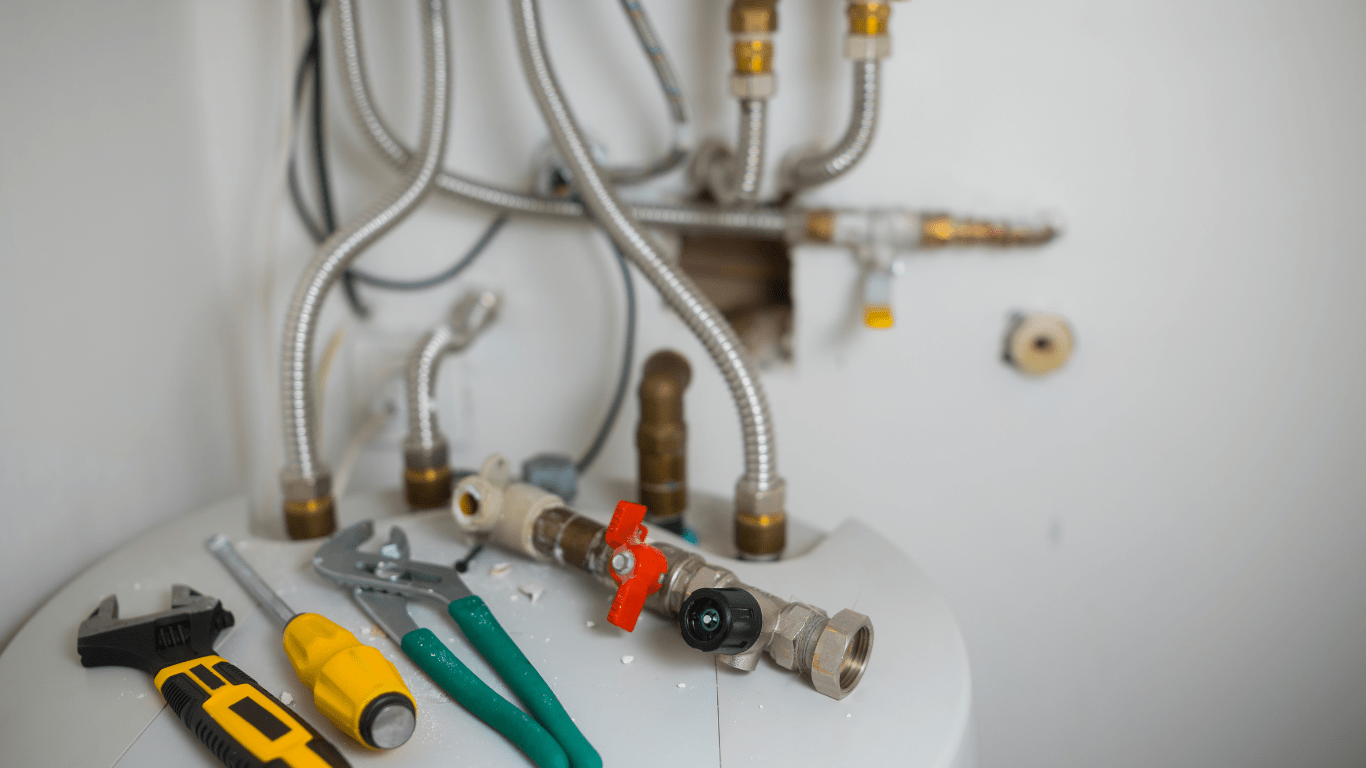
Rust-colored hot water is a serious red flag. When only your hot water appears rusty or brownish while cold water runs clear, the problem originates in your water heater rather than your municipal supply.
Rust inside water heater tanks indicates corrosion that will eventually cause leaks. The anode rod, designed to prevent tank corrosion, may be depleted and need replacement. If caught early, replacing the anode rod can extend your water heater’s life by several years.
Metallic taste or smell in hot water also suggests corrosion issues requiring immediate investigation.
Inconsistent Water Temperature
Fluctuating temperatures where your water goes from hot to lukewarm to scalding indicate failing heating elements in electric water heaters or burner problems in gas models.
Water that never gets hot enough suggests thermostat failure, sediment buildup insulating the heating mechanism from water, or heating element problems.
Excessively hot water that scalds unexpectedly points to thermostat malfunction, creating both comfort issues and safety hazards, especially for children and elderly household members.
Temperature inconsistency affects your daily comfort and indicates component failure that will worsen without repair.
Warning Signs That Shouldn’t Be Ignored
These symptoms may not require an immediate emergency response, but they definitely warrant a prompt professional evaluation.
Reduced Hot Water Supply
Running out of hot water faster than usual signals several potential issues. Sediment buildup reduces the effective capacity of water heater tanks by occupying space and insulating water from heating elements. Failing heating elements struggle to maintain water temperature. Increased household demand from new appliances or additional family members might exceed your current water heater’s capacity.
If you’ve noticed your once-adequate hot water supply no longer meets your needs, professional inspection determines whether repair or capacity upgrade makes sense.
Visible Corrosion or Rust
Rust on the tank exterior, pipes, or valves indicates moisture exposure and potential leak development. While surface rust on pipes can sometimes be addressed, rust on the tank itself suggests corrosion is already underway.
Flaking or peeling around the base of the tank often precedes actual leaking as internal corrosion works its way through the tank walls.
Regular visual inspections help catch corrosion early before it leads to catastrophic failure and water damage.
Pressure Relief Valve Issues
The temperature and pressure relief valve is a critical safety component on water heater tanks. It releases excess pressure to prevent dangerous tank explosions.
If this valve constantly drips or leaks, it might be defective or indicate excessive pressure inside the tank from thermostat problems or sediment buildup.
A stuck or corroded relief valve that cannot open presents serious safety risks. Testing this valve annually by lifting the lever to ensure water flows freely should be part of basic water heater maintenance.
Age-Related Performance Decline
Gradual efficiency loss is normal as water heaters age, but noticeable changes warrant attention. If your energy bills increase significantly without usage changes, your water heater is likely working harder due to sediment buildup or failing components.
Longer recovery time between hot water uses indicates reduced heating capacity from failing elements or significant sediment accumulation.
Understanding the Risks of Delayed Repairs
Putting off water heater repairs seems tempting when the problem isn’t causing complete failure, but this approach carries significant risks.
Water damage from even small leaks adds up quickly. Water seeping onto basement floors damages flooring, promotes mold growth, ruins stored items, and can compromise structural elements. Insurance claims for water heater failures often exceed several thousand dollars.
Safety hazards develop from malfunctioning water heaters. Faulty gas water heaters can leak carbon monoxide or develop combustion problems. Excessive pressure from relief valve failure creates explosion risks. Electrical problems pose fire hazards.
Higher repair costs result from delayed action. A simple thermostat replacement becomes a tank replacement when the faulty thermostat causes overheating that damages the tank lining. A corroded anode rod that costs $200 to replace leads to $1,500 tank replacement when corrosion reaches the tank itself.
Complete failure at the worst time is practically guaranteed when you ignore warning signs. Water heaters seem to fail during holiday gatherings, when you have houseguests, or during cold snaps when you need hot water most.
Preventive Measures to Extend Water Heater Life
While some problems are inevitable, proper maintenance significantly extends the life of water heater tanks and reduces repair frequency.
Annual professional inspection catches problems early. Technicians check the anode rod, test the relief valve, inspect for corrosion, evaluate heating elements, and assess overall condition.
Tank flushing removes sediment buildup that causes many common problems. This simple maintenance task should be performed annually, more frequently in areas with hard water.
Anode rod replacement every 3 to 5 years prevents tank corrosion. This sacrificial component attracts corrosive elements that would otherwise attack the tank. Once depleted, the tank begins corroding, so timely replacement is crucial.
Temperature setting optimization prevents scalding while maintaining efficiency. Most experts recommend 120 degrees Fahrenheit, which provides adequate hot water while minimizing energy waste and scalding risk.
Insulation blankets on older water heater tanks reduce heat loss and improve efficiency, particularly in unheated spaces like basements and garages.
When to Call for Professional Help
Knowing when to search for water heater repair near you prevents small issues from becoming major problems.
Call immediately for any water leaking from the tank, gas odors near gas water heaters, no hot water at all, or tripped circuit breakers that won’t reset for electric models.
Schedule service within a few days for unusual noises, discolored water, temperature fluctuations, reduced hot water capacity, or visible rust and corrosion.
Plan for evaluation if your water heater is approaching 10 years old and showing any performance changes. Proactive assessment helps you plan for eventual replacement on your schedule rather than during an emergency.
Professional diagnosis identifies root causes rather than just symptoms. What seems like a simple problem might indicate multiple issues requiring comprehensive solutions.
Don’t Wait for Complete Failure
Water heater problems rarely resolve themselves and almost always worsen over time. The warning signs your water heater provides are valuable opportunities to address issues before they escalate into emergencies or extensive water damage.
Regular maintenance, prompt attention to problems, and professional expertise keep water heater tanks running efficiently and reliably for their full expected lifespan. When you notice any of the warning signs discussed here, taking action quickly protects your home, your budget, and your daily comfort.
Maintemp Heating and Air Conditioning understands that water heater problems create real stress for homeowners. Our experienced technicians provide thorough diagnostics to identify exactly what’s wrong with your water heater and explain your options clearly, whether that’s a simple repair to restore function or guidance on replacement when your tank has reached the end of its serviceable life. We respond quickly when you need water heater repair near you because we know hot water isn’t a luxury, it’s essential for your household. With transparent pricing, quality workmanship, and honest recommendations that put your best interests first, Maintemp delivers the reliable service that keeps your home running smoothly.
Frequently Asked Questions
How can I tell if my water heater is leaking or just producing condensation?
Condensation appears as moisture on the exterior of cold water pipes or the tank surface when humid air contacts cold surfaces, typically drying quickly. Actual leaks create persistent water pooling that continues accumulating. To test, dry the area completely with towels and check back in a few hours. Condensation won’t return unless conditions are very humid, while leaks will show new water accumulation. Also, check whether water appears near valves, connections, or the tank bottom, which indicates leaking rather than condensation.
My water heater is only 5 years old but making loud popping noises. Should I be concerned?
Yes, popping noises even in relatively new water heaters indicate sediment buildup that requires attention. Hard water areas accelerate sediment accumulation regardless of tank age. While the noise itself isn’t dangerous, the sediment reduces heating efficiency, forces your water heater to work harder, and accelerates wear on heating elements. Flushing the tank to remove sediment typically resolves the issue. If noises persist after flushing, the heating elements might need inspection or replacement.
Is it worth repairing a 10-year-old water heater or should I just replace it?
This depends on the specific problem and your water heater’s condition. For minor repairs on a well-maintained 10-year-old tank, repair usually makes sense. However, if facing expensive repairs or multiple simultaneous problems, replacement is typically more cost-effective since the tank is approaching the end of its typical lifespan anyway. A professional from Maintemp can assess overall condition, checking for corrosion, sediment buildup, and component wear to help you make an informed decision.