
Shutting Down Your Air Conditioner for the Season: What to Do Now and What to Leave Alone
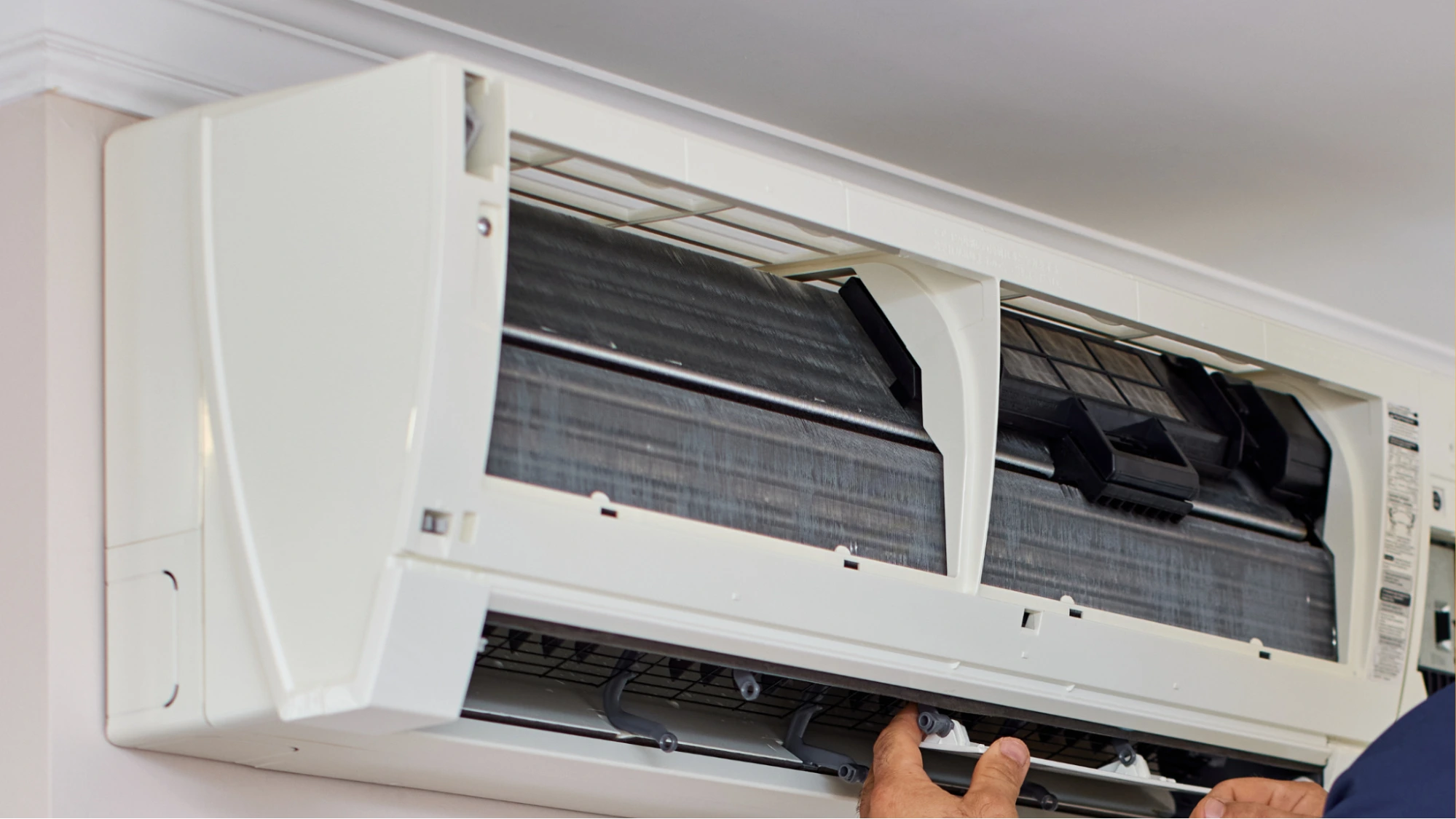
Most Ontario homeowners do nothing at all with their air conditioner in September. They stop using it, the weather turns, and the unit sits outside until May. Then it does not start properly, and the first genuinely hot week of the year turns into a scramble for air conditioner repair.
Twenty minutes of work right now prevents most of that. The catch is that half the advice online tells you to do things that actively damage your system. Here is the short version of both sides.
What should you do now?
Turn the power off at the outdoor disconnect. Beside the condenser, usually on the exterior wall, is a small box with a pull-out switch or breaker. Switching it off does two things. It stops the crankcase heater and stray current draw over the winter, and it prevents someone from accidentally running the unit on an unseasonably warm November day when there is ice in the system.
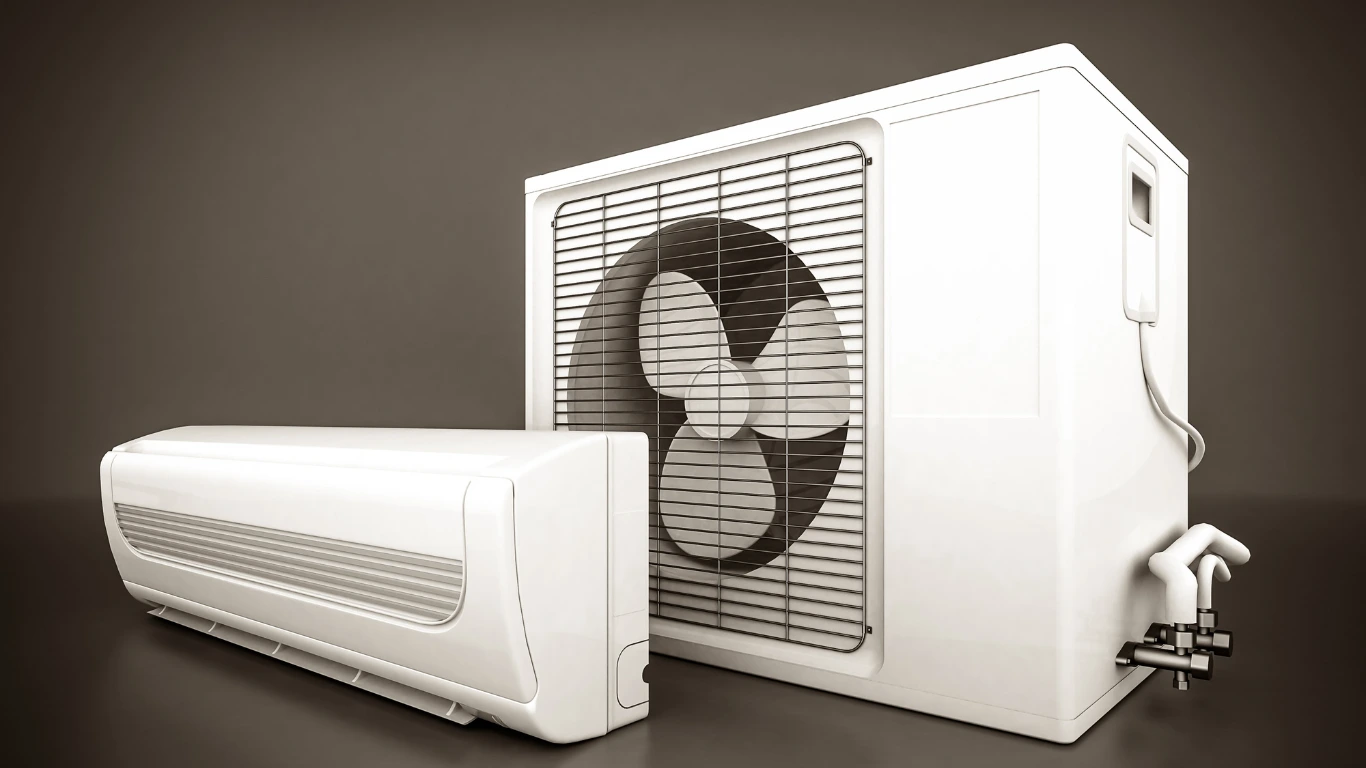
Clear the debris. Leaves, grass clippings, seed pods and everything that has blown into the cabinet over the summer should come out. Debris holds moisture against the coil all winter, and moisture against metal is how corrosion starts.
Rinse the coil gently. A garden hose on low pressure, from the inside out if you can reach, washes out the pollen and cottonwood fluff that accumulated all season. Never use a pressure washer. The fins bend at almost no force, and bent fins restrict airflow permanently.
Cut back the vegetation. You want roughly two feet of clearance on all sides. Plants that were manageable in June have usually swallowed the unit by September.
Change your filter. The air handler keeps running all winter as part of your heating system, so a filter that ran hard all summer should not carry into heating season. If you are unsure which type suits your home, understanding your HVAC filter options walks you through the ratings.
What should you leave alone?
Do not wrap the unit in a full cover. This is the single most common mistake. A sealed cover traps moisture inside the cabinet and gives mice a dry, sheltered place to spend the winter chewing on wiring. Modern condensers are engineered to sit outdoors in Canadian weather. They do not need protection from snow.
If you want to cover anything, cover only the top surface to stop falling debris and ice dropping straight onto the fan. Leave the sides completely open, so air moves through.
Do not remove the disconnect entirely unless a technician has instructed you to. You want it off, not dismantled.
Do not attempt to drain or open refrigerant lines. Refrigerant work is regulated and requires certification. Insulation on the line set can be checked visually, and if it is cracked or missing, that is a note for your technician rather than a DIY repair.
The faults worth logging before you forget them
This is the part almost everybody skips, and it is the most valuable thing on this page.
Your memory of how the AC behaved in August will be gone by May. Write down anything unusual now, while it is fresh, and hand the list to your technician at spring startup. Specifically:
- Did it take noticeably longer to cool the house than last year?
- Were there rooms that never got comfortable?
- Any new noises, particularly rattling, screeching or a hard clunk on startup?
- Did the unit ever freeze up, or did you notice ice on the refrigerant lines?
- Did it short cycle, turning on and off in quick bursts?
- Was there water pooling near the indoor unit?
Any of these points to something that will not fix itself over the winter. Several of them are early indicators that the system is nearing the end of its service life, which we covered in 6 signs your AC is on its last leg. Others, such as warm air or weak cooling, have straightforward causes explained in why your air conditioner is blowing warm air.
Logging them now gives you two clear advantages. You can book air conditioner repair in the off-season rather than during the first heat wave, and if the verdict is replacement, you have months to plan air conditioner installation instead of making a rushed decision in July.
Why the off-season is the right time to deal with it
Every HVAC company in the region is at capacity during the first hot stretch of summer. Availability is tight, and homeowners end up accepting whatever timeline they are given.
The same repair booked in October or November happens on your schedule. If the diagnosis is that the system has reached the end of its life, you get to research properly, compare options and choose an installation date rather than taking the first one offered. Our guide on when is the best time to replace your air conditioner goes into the timing in more depth.
There is one more benefit. If you are replacing both systems eventually, doing them together has real advantages, which we set out in should you replace your furnace and AC at the same time.
While you are out there
Shutting down the AC is also the natural moment to think about the system that is about to take over. The furnace has not run since March, and it is about to work hard for six months. A quick pre-season check is worth doing before the first cold night, and it pairs naturally with booking your annual HVAC maintenance visit.
Get it looked at before spring
If your air conditioner gave you any trouble this summer, now is the moment to deal with it, not next June.
Maintemp has served Burlington, Oakville, Hamilton, Milton, Grimsby and Stoney Creek since 1989. Book a visit through our online quote form or call (905) 681-1515, and ask about our air conditioner protection plan while you are at it.
Frequently asked questions
Should I cover my air conditioner in winter?
No, not fully. Wrapping the unit traps moisture against the coil and creates a sheltered nesting spot for rodents. Covering only the top surface is acceptable if you want to block falling debris and ice, but the sides must stay open so air can circulate.
Do I need to turn off my air conditioner at the breaker for the winter?
Yes, switching off the outdoor disconnect is recommended. It stops unnecessary power draw and prevents the unit from running accidentally during a warm spell when internal components may still be cold, which can cause damage.
Is it better to repair an air conditioner in the off-season?
Generally yes. Off-season scheduling is more flexible, and if the outcome is replacement rather than repair, you have time to plan the installation properly instead of making a fast decision during a heat wave.