
Your Furnace Has Not Run Since March: What to Check Before the First Cold Night
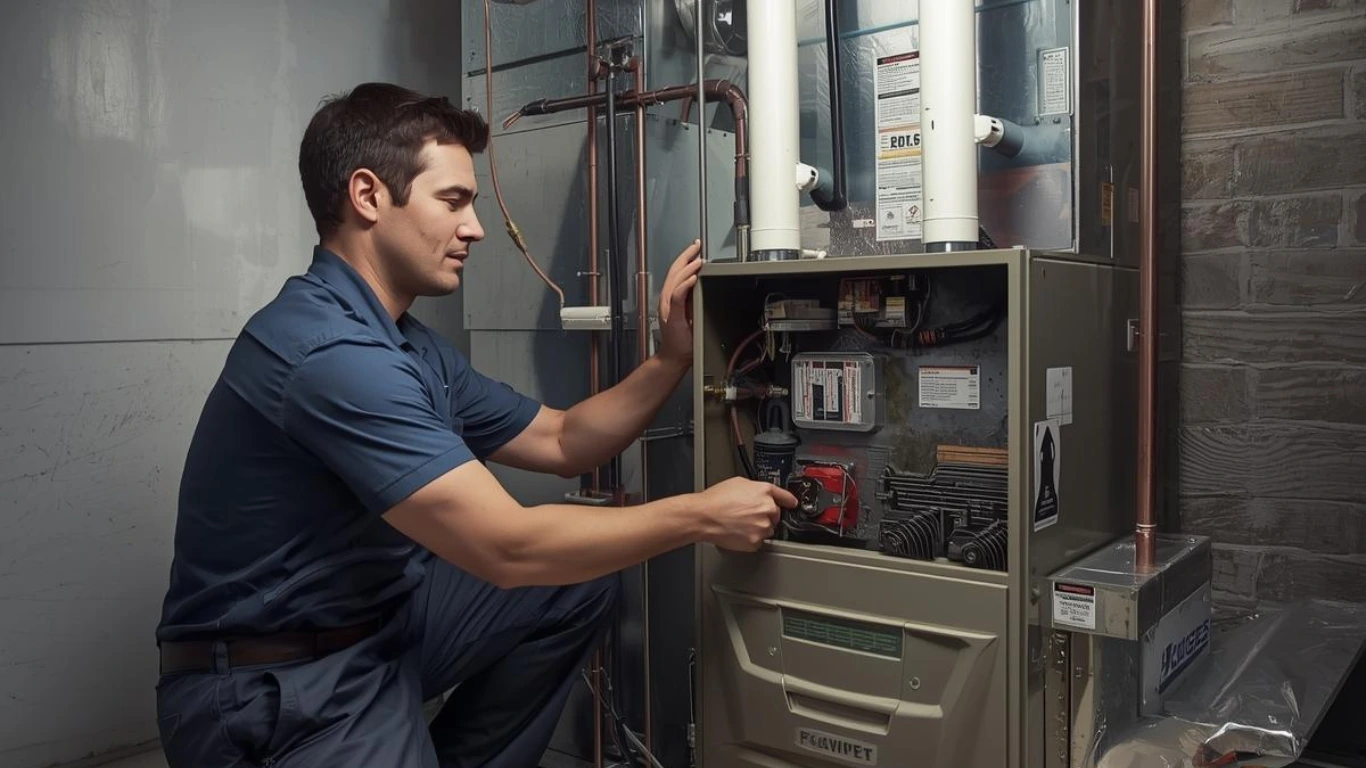
Your furnace has been sitting unused since March. That is roughly six months of dust settling on the burners, insects finding their way into the cabinet, and a filter slowly loading up while the fan ran for summer circulation.
The first genuinely cold night in Ontario tends to arrive without warning, usually in the first half of October. The homeowners who have a bad week are the ones who find out at 10 pm that something is wrong. The ones who check in September find out on a Tuesday afternoon, with time to book furnace service on a normal schedule.
Here is the fifteen-minute check worth doing this week.
Run it before you need it
The most useful thing you can do costs nothing. On a mild day, switch the thermostat to heat and set it several degrees above room temperature. Let the furnace run a full cycle.
You are testing whether it starts, whether it reaches temperature, and whether it shuts down cleanly. A furnace that fails this test in September is an inconvenience. The same failure in January is emergency furnace repair at the worst possible time.
Expect a burning smell for the first ten to fifteen minutes. That is dust burning off the heat exchanger and it is normal. If the smell persists well beyond that, or smells sharp, electrical or like rotten eggs, shut the system down. Gas odour means leaving the house and calling your gas utility before anyone else.
Check the thermostat properly
Two things go wrong here more often than people expect.
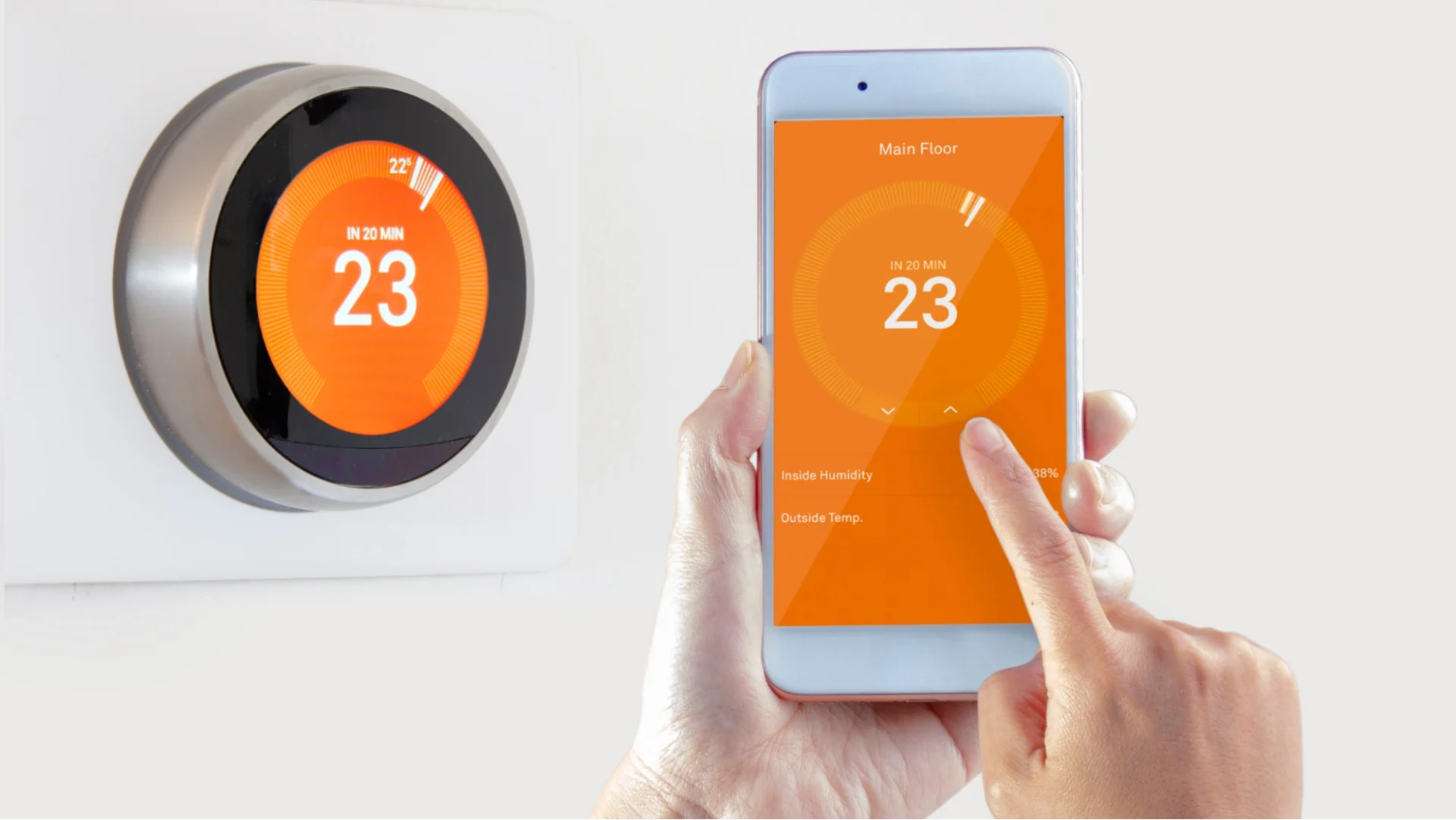
If your thermostat runs on batteries, replace them now rather than waiting for the low-battery warning in December. Weak batteries cause intermittent faults that look exactly like furnace problems and lead to unnecessary service calls.
Second, confirm the mode switch is actually on heat rather than cool or auto, and that any summer schedule has been updated. A surprising number of no-heat calls in October come down to a programmable schedule still running July settings.
Replace the filter, not just inspect it
The filter has been in place through summer circulation. Whatever it looked like in May, it is dirtier now.
A restricted filter makes the furnace work harder, reduces airflow to your rooms, and is one of the most common causes of overheating and short cycling. It is the cheapest preventative measure available, and it is the one most often skipped.
Walk the vents and returns
Go room by room. Supply vents should be open and unobstructed. Furniture, rugs, and boxes that migrated over the summer should come away from them.
Pay particular attention to return air grilles, which are usually larger and often get blocked because nobody thinks of them as vents. Restricted returns starve the system of airflow and cause the same overheating problems as a dirty filter.
While you are walking the house, note any room that was persistently uncomfortable last winter. That is information worth giving your technician.
Look at the unit itself
You do not need to open anything. A visual check is enough.
- Around the furnace: clear a minimum of three feet. Stored boxes, paint cans, and cleaning products should not be near a combustion appliance.
- The exhaust vent outside: on a high-efficiency furnace, this is a PVC pipe on an exterior wall. Check it is clear of nests, debris, and vegetation. In winter it must stay clear of snow and ice, and this is a critical safety point rather than an efficiency one.
- The condensate drain: high-efficiency furnaces produce water. Look for any sign of pooling or a disconnected line.
- Visible rust or scorch marks: anything that looks like discolouration around the burner area is a stop-and-call-someone item.
Test your carbon monoxide detectors
Heating season is carbon monoxide season. Test every detector in the house, replace batteries, and check the manufacture date on the back of the unit. Detectors expire, typically after seven to ten years, and an expired detector gives false reassurance rather than protection.
The sounds and signs that mean stop
Some faults are worth watching. Others mean you should not keep running the system.
Call for furnace repair promptly if you notice:
- The furnace starts, runs briefly, then shuts off repeatedly, known as short cycling
- A grinding, screeching or metallic scraping noise
- A loud bang or boom at ignition, which can indicate delayed ignition
- The blower runs continuously but the air is not warm
- A yellow or flickering burner flame rather than a steady blue one
- Any sooting, rust or water around the base of the unit
More detail on the common faults and their causes is in common furnace problems homeowners face and how to avoid them, and if the system will not start at all, what to do if your furnace stops working covers the checks to run first.
What a professional visit adds
The homeowner check confirms the furnace runs. A professional furnace service visit confirms it runs safely and efficiently, which is a different question.
A technician tests combustion, inspects the heat exchanger for cracks, checks gas pressure and burner condition, verifies safety controls, and measures temperature rise across the system. None of that is visible from the outside, and a cracked heat exchanger in particular is both serious and undetectable without inspection.
Annual servicing also protects most manufacturer warranties, which typically require documented maintenance. Our post on how often you should service your heating system in Ontario’s climate explains the reasoning, and if you want to see what happens on the visit itself, we have laid it out in what is included in a professional HVAC maintenance visit.
Book before the rush, not during it
Once the first cold snap hits, every HVAC company in the region shifts to no-heat calls, and routine servicing gets pushed back. September and early October are the easiest weeks of the year to get an appointment that suits you.
Maintemp has been serving Burlington, Oakville, Hamilton, Milton, Grimsby and Stoney Creek since 1989. Book your furnace service through our quote form or call (905) 681-1515, and ask about our furnace protection plan to keep the annual visit on schedule.
Frequently asked questions
Why does my furnace smell like burning when I first turn it on?
A burning smell during the first cycle of the season is normally dust burning off the heat exchanger and burners after months of inactivity. It should clear within ten to fifteen minutes. A smell that lingers, or one that is sharp, electrical or sulphurous, needs immediate attention, and gas odour means leaving the house and calling your gas utility.
When should I turn my furnace on for the first time in Ontario?
Test it in early to mid-September, on a mild day, well before you actually need heat. Running a full heating cycle while the weather is still forgiving means any fault is discovered when service appointments are available rather than during the first cold snap.
How do I know if I need furnace repair or just a tune-up?
A tune-up is routine annual maintenance. Repair is needed when the furnace is short cycling, making grinding or banging noises, blowing cool air, showing a yellow burner flame, or failing to start. Any of those symptoms should be diagnosed by a licensed technician rather than left until the system fails completely.