
Spring HVAC Maintenance Checklist for Burlington Homeowners: What to Inspect Before the Heat Hits
Spring in Burlington has a way of sneaking up on you. One week you are still running your furnace every morning, and the next, you are reaching for the thermostat to kick on the air conditioning for the first time. That transition window is short, and if your HVAC system is not ready for it, you could find yourself sweating through an uncomfortable few days waiting on a technician while half the city is making the same call.
The good news is that a solid round of seasonal maintenance takes far less time than most homeowners expect, and it can save you a lot of money and stress before summer arrives. This checklist is built specifically for Burlington homeowners who want to get ahead of the heat, not chase it.
Why Spring Maintenance Matters More Than You Think
Most people associate HVAC maintenance with the dead of winter or the peak of summer, but spring is actually one of the most valuable times to have your system inspected. Here is why: your air conditioner has been sitting dormant for months. Dust, debris, pest activity, and moisture can all affect its performance during that off-season, and you will not know about any of it until you flip that switch and hope for the best.
Catching problems in spring gives you time. Time to order parts, schedule service, and address issues without the urgency of a heat wave bearing down on you. Proactive HVAC maintenance also tends to cost significantly less than reactive repairs, which is a point worth keeping in mind every time you feel tempted to skip the annual checkup.
Start with Your Air Filter
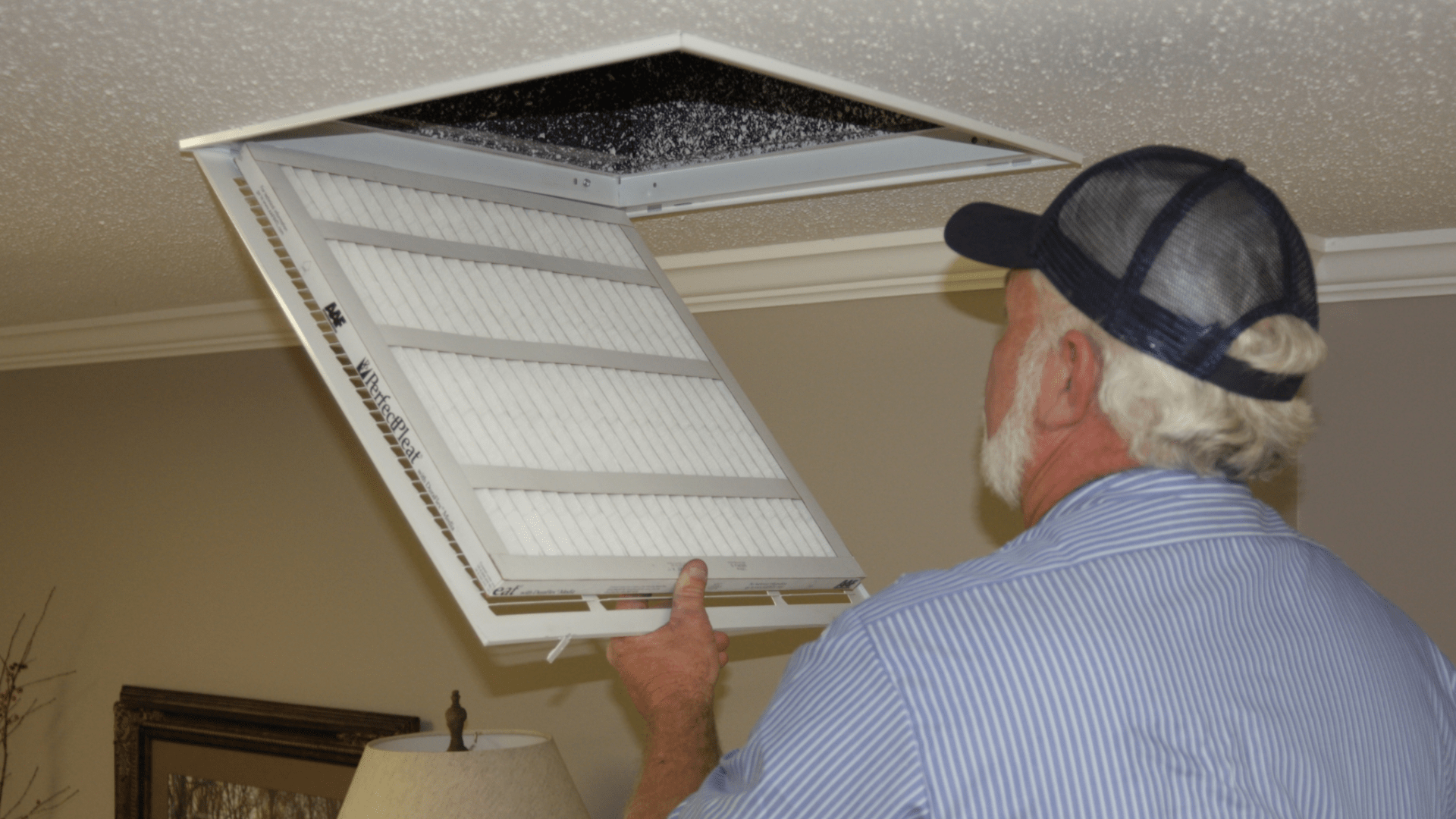
This is the most basic step, and it is also one of the most commonly overlooked. A clogged or dirty air filter restricts airflow through your system, which forces your equipment to work harder to move conditioned air through your home. Over time, that extra strain adds up in the form of higher energy bills, reduced equipment lifespan, and inconsistent comfort.
Before spring gets into full swing, pull your filter out and take a good look at it. If it is grey and dense with dust, swap it out. Most standard filters should be replaced every one to three months, depending on usage and whether you have pets or allergies in the household. If you have not changed yours since last fall, it is overdue.
Inspect and Clean the Outdoor Condenser Unit
Your outdoor condenser unit spent the winter exposed to snow, ice, fallen leaves, and whatever else the season threw at it. Before you run the air conditioner for the first time, take a few minutes to inspect the exterior of the unit. Clear away any leaves, twigs, or debris that have collected around or inside the housing. Make sure no vegetation has grown up around the unit during the off-season, as it needs at least two feet of clearance on all sides for proper airflow.
If you covered your condenser for the winter, remove the cover completely before turning the system on. Running the unit with the cover on is a quick way to cause serious damage. Gently rinse the fins with a garden hose to remove dust and grime, being careful not to bend the delicate fin surfaces. If you notice the fins are bent or significantly clogged, that is a job for a qualified HVAC contractor near you who can straighten and deep-clean them properly.
Check Your Thermostat Settings and Calibration
Switching from heating to cooling mode is an obvious first step, but while you are at the thermostat, take a moment to verify that it is actually reading temperatures accurately. A thermostat that is even a few degrees off can cause your system to cycle incorrectly, leading to wasted energy and uncomfortable temperature swings throughout the day.
If you are still running a manual or older programmable thermostat, spring is a great time to consider upgrading to a smart thermostat. Modern smart thermostats learn your schedule and preferences, adjust automatically based on occupancy, and give you remote control from your phone. Many Burlington homeowners see a noticeable reduction in their cooling costs after making the switch.
Test the System Before You Need It
Do not wait for the first genuinely hot day to discover your air conditioner is not working. Turn the system on during a mild spring day and let it run through a full cycle. Listen for any unusual sounds: grinding, rattling, squealing, or banging that were not there before. Check that cool air is actually coming through your vents and that the temperature in your home drops as expected over the course of twenty to thirty minutes.
Also walk through your home and check that the airflow feels consistent from room to room. Weak airflow in certain areas can indicate a duct issue, a blockage, or a problem with your blower motor. These are all things an HVAC contractor near you can diagnose accurately during a spring tune-up visit.
Inspect Vents, Registers, and Ductwork
Go room to room and check that all supply and return vents are open and unobstructed. It is surprisingly common for furniture, rugs, or curtains to partially block return air vents, which reduces system efficiency without homeowners ever realizing it. Make sure registers are dusted and that nothing has accumulated inside the vents over winter.
If you have accessible ductwork in your attic, basement, or crawlspace, do a visual inspection for any sections that have come apart at the joints or show signs of pest activity. Leaky ducts can reduce your system efficiency by 20 to 30 percent, which means a significant portion of the conditioned air you are paying for is escaping before it ever reaches your living spaces.
Schedule a Professional HVAC Tune-Up
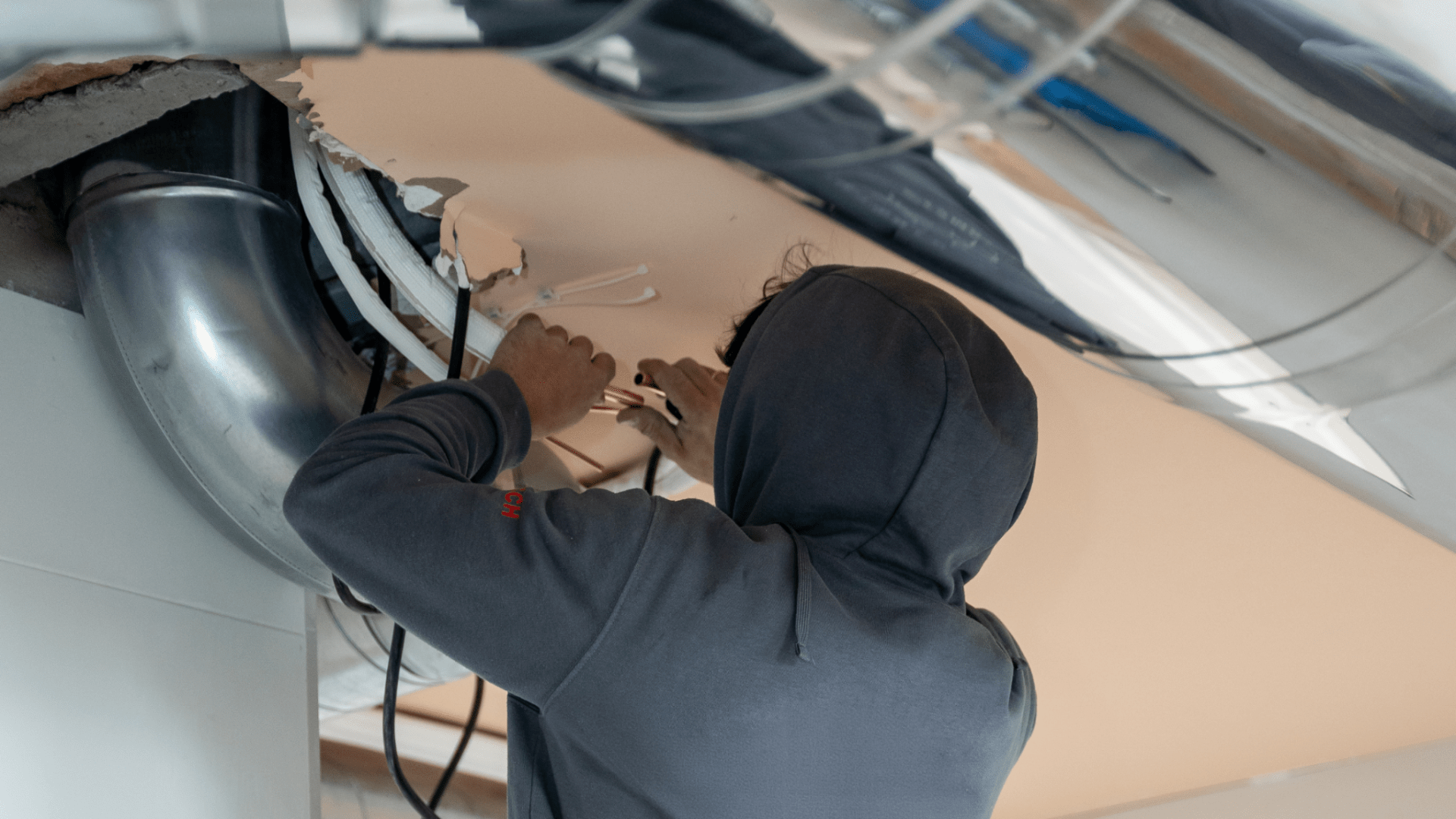
A proper seasonal maintenance visit from a licensed HVAC technician covers everything on this list and then some. A professional inspection includes checking refrigerant levels, testing electrical connections, inspecting the blower motor and belts, lubricating moving parts, checking the condensate drain line, and verifying that your system is operating at peak efficiency. These are not tasks that can be done safely or accurately without the right tools and training.
If you are committed to protecting your system and avoiding surprise breakdowns this summer, booking a professional spring tune-up is the single most effective step you can take. Scheduling this early in the season means you get your preferred time slot before the busy season rush begins.
A Note on Your Furnace Before You Put It to Rest
Spring is also a good moment to check in on your furnace before it sits idle for the summer. Make sure the area around the unit is clear, that the flue is intact, and that there are no unusual smells or signs of corrosion. While furnace service is primarily a fall priority, noticing an issue now gives you the whole summer to address it before you need the heat again.
Trust Maintemp Heating and Air Conditioning This Spring
At Maintemp Heating and Air Conditioning, we help Burlington homeowners stay ahead of the season with thorough, professional HVAC maintenance that covers every part of your system. Whether you need a full spring tune-up, a filter change assessment, or a first-time inspection on a recently purchased home, our team is ready to help.
We serve Burlington, Oakville, Milton, Hamilton, Grimsby, and Stoney Creek, and we bring the same level of care and expertise to every job, regardless of the size of your home or the age of your equipment. Spring bookings fill up fast, so do not wait until the first heat wave to reach out.
Contact Maintemp Heating and Air Conditioning today to book your spring HVAC maintenance visit and get your system ready for whatever the season brings.
Frequently Asked Questions
FAQ 1: How often should HVAC maintenance be performed for a typical Burlington home?
Most HVAC professionals recommend scheduling maintenance twice a year: once in spring before cooling season begins, and once in fall before heating season starts. This twice-yearly schedule covers both your air conditioning system and your furnace at the optimal time before each is expected to carry a heavy load. If your home has older equipment, pets, or allergy concerns, more frequent filter changes and additional checkups may be appropriate. Connecting with HVAC contractors near you who offer maintenance plans can be a cost-effective way to stay on schedule year after year.
FAQ 2: What does a professional HVAC maintenance visit actually include?
A professional spring HVAC maintenance visit typically includes inspecting and cleaning the outdoor condenser unit, checking refrigerant levels, testing all electrical connections and controls, lubricating motor bearings and moving parts, inspecting the condensate drain line for blockages, checking thermostat accuracy, replacing the air filter, and running the system through a full operational test. A licensed HVAC contractor near you will provide a written summary of findings and flag any components that may need attention before they become serious problems.
FAQ 3: Can I do spring HVAC maintenance myself, or do I need a professional?
There are several maintenance tasks that homeowners can confidently handle on their own, including replacing air filters, clearing debris from around the outdoor unit, testing the thermostat, and checking vents and registers for obstructions. However, tasks involving refrigerant, electrical components, and internal mechanical parts of your furnace or air conditioner should always be handled by a qualified technician. Attempting to service these components without the right training and tools can void your warranty, create safety hazards, and cause more damage than the original issue. For anything beyond the basics, reach out to reputable HVAC contractors near you.