
Simple Ways to Extend the Lifespan of Your Furnace
Your furnace is one of the hardest-working appliances in your home, especially during those cold winter months when it runs almost continuously to keep your family comfortable. Most homeowners don’t think much about their heating system until something goes wrong, but by then, you’re facing an emergency furnace repair and potentially hefty bills. The good news? With some simple preventive care and attention, you can significantly extend your furnace’s lifespan and avoid those unexpected breakdowns.
Understanding Your Furnace Investment
A new furnace represents a significant investment, typically lasting between 12 to 15 years with proper care. However, neglected systems often fail much sooner, sometimes in as little as 10 years. Think of your furnace like a car: regular maintenance keeps it running smoothly, while ignoring it leads to expensive problems down the road. The difference is that while you might notice your car struggling, furnace problems often develop silently until they become major issues.
Change Your Air Filters Regularly
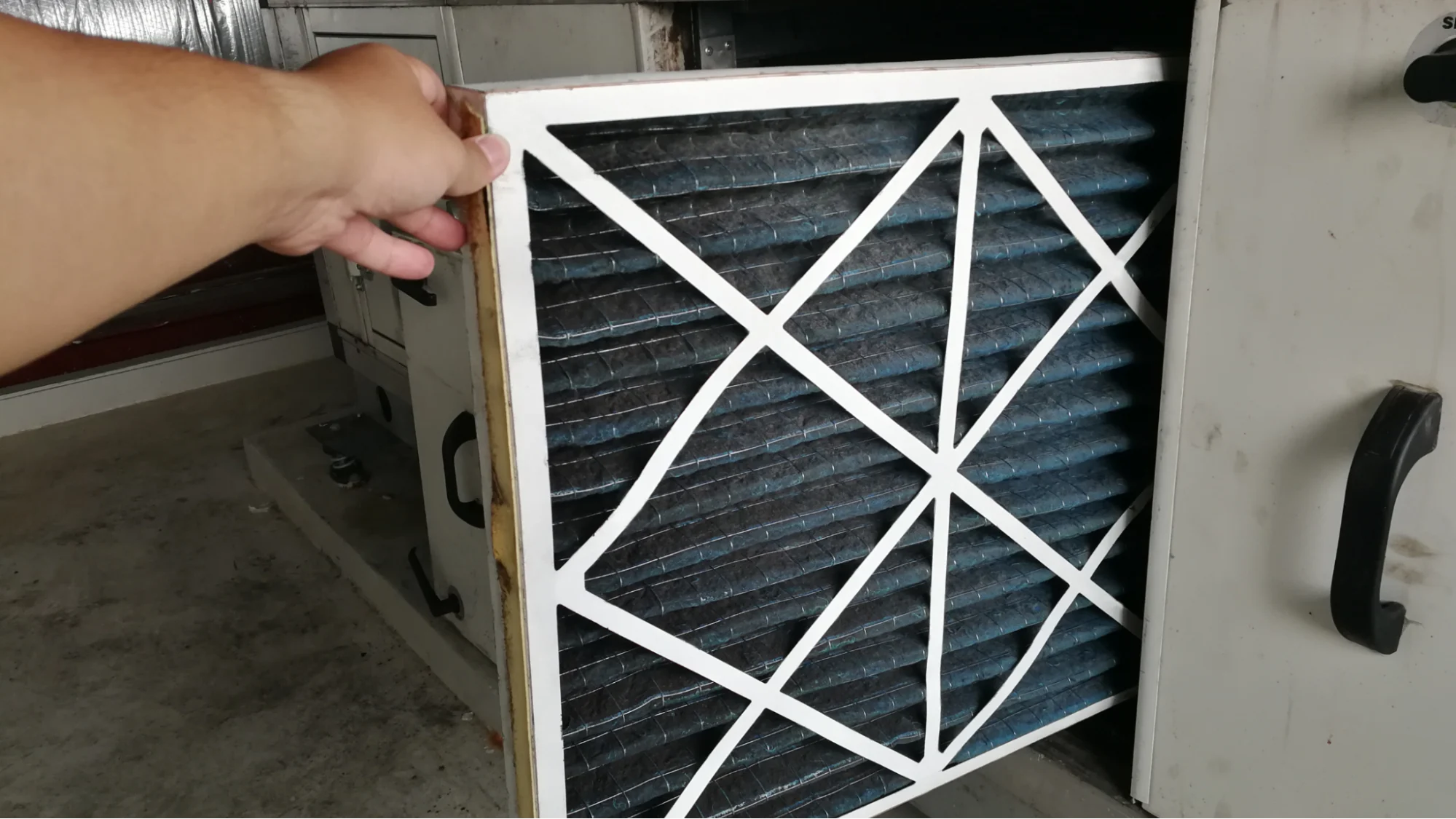
This might sound too simple to matter, but changing your air filters is the single most important thing you can do to protect your furnace. A dirty filter forces your system to work harder, straining the blower motor and reducing efficiency. During heavy use seasons, check your filter monthly and replace it when it looks dirty or clogged.
Most homeowners can handle this task in just a few minutes. Locate your filter compartment, note the size printed on the existing filter, and keep replacements on hand. Standard filters should be changed every one to three months, while high efficiency filters might last longer. Set a reminder on your phone so you don’t forget this crucial maintenance step.
Schedule Annual Professional Maintenance
While DIY maintenance helps, nothing replaces professional furnace service. A qualified technician can spot potential problems before they become emergencies, clean components you can’t reach, and ensure your system operates at peak efficiency. Annual maintenance typically includes cleaning the burner assembly, checking gas pressure, testing safety controls, inspecting the heat exchanger, and calibrating the thermostat.
The best time to schedule this service is in early fall, before the heating season begins. This timing ensures your furnace is ready when you need it most and gives you time to address any issues before cold weather arrives. Many companies offer maintenance plans that include priority service and discounts on repairs, making professional care more affordable than you might think.
Keep Your Vents and Registers Clear
Blocked vents create pressure imbalances that force your furnace to work harder. Walk through your home and ensure furniture, curtains, rugs, and storage items aren’t blocking supply or return vents. Each blocked vent reduces airflow, making your furnace run longer to heat your home and putting unnecessary strain on the system.
Return vents are especially important because they allow air to circulate back to the furnace. If these become blocked, your system can’t draw in enough air, leading to overheating and potential shutdowns. Keep at least a foot of clearance around all vents, and vacuum them regularly to remove dust buildup.
Monitor Your Thermostat Settings
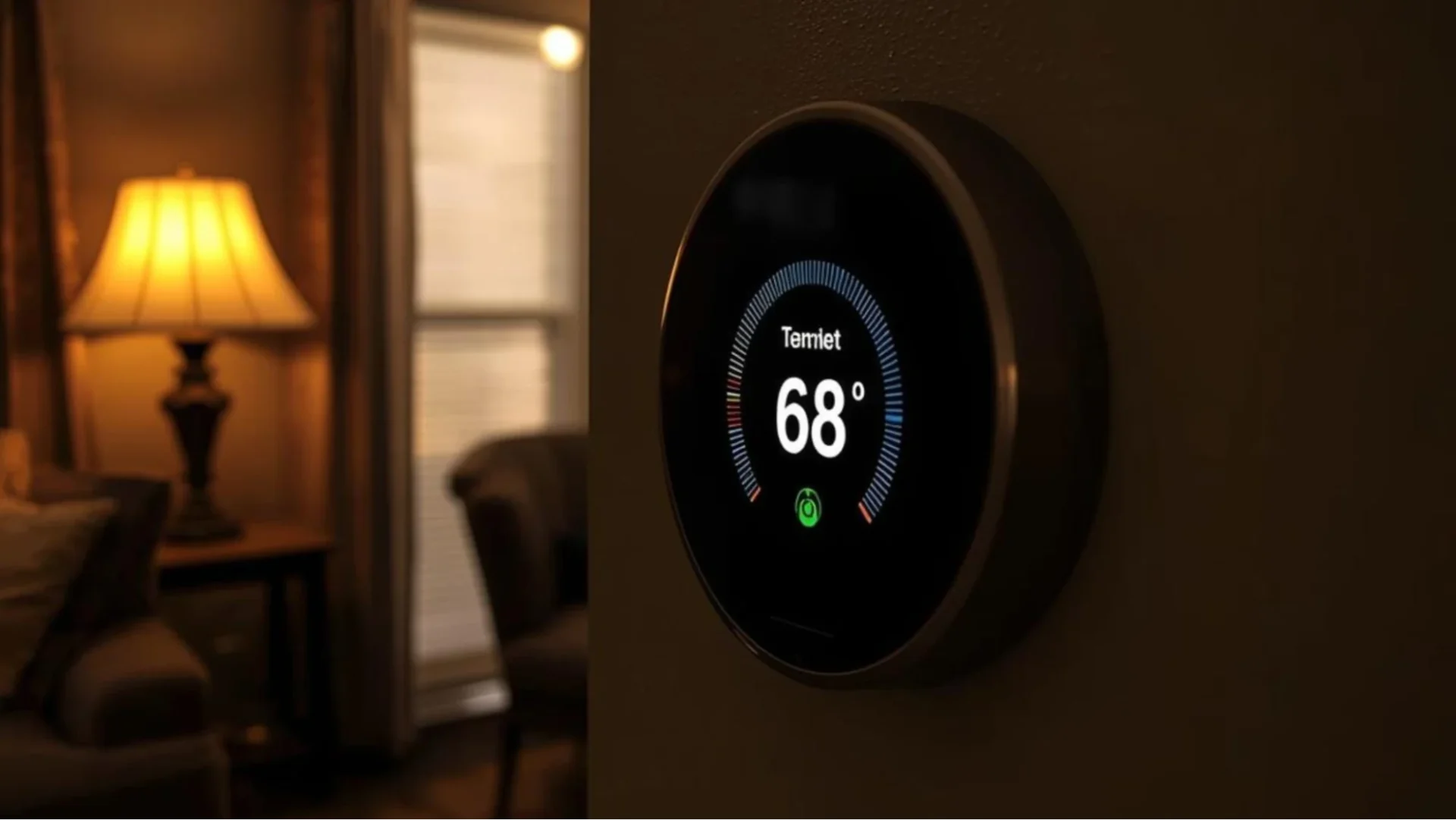
Your thermostat controls how often your furnace runs, directly impacting wear and tear. Constantly adjusting the temperature forces your system to cycle on and off more frequently, which is harder on components than maintaining a steady temperature. Consider upgrading to a programmable or smart thermostat that can automatically adjust temperatures based on your schedule.
Set reasonable temperatures that keep you comfortable without overworking your system. Every degree you lower your thermostat can save energy and reduce strain on your furnace. During winter months, aim for 68 to 70 degrees when you’re home and lower when you’re away or sleeping.
Address Problems Immediately
Strange noises, weak airflow, inconsistent temperatures, or unusual smells all signal potential problems. Ignoring these warning signs rarely saves money. What starts as a minor issue requiring simple furnace repair can quickly escalate into a major breakdown needing expensive component replacement or even full system failure.
If you notice anything unusual, search for “furnace repair near you” and contact a Maintemp professional right away. Quick response to problems prevents them from damaging other components and often results in more affordable repairs. Many heating issues worsen rapidly, especially during cold weather when systems run constantly.
Clean Around Your Furnace
Your furnace needs space to breathe and operate safely. Keep the area around your unit clear of stored items, especially anything flammable. Dust and debris can get pulled into the system, coating components and reducing efficiency. Periodically vacuum around the furnace, wipe down the exterior, and ensure nothing blocks access panels.
If your furnace is in a basement or utility room that doubles as storage space, maintain at least three feet of clearance on all sides. This space allows for proper airflow, makes maintenance easier, and ensures technicians can access your system quickly if repairs become necessary.
Seal and Insulate Your Ductwork
Leaky ducts force your furnace to work harder because heated air escapes before reaching living spaces. Inspect visible ductwork for gaps, holes, or disconnected sections. Seal any leaks with mastic sealant or metal tape (not regular duct tape, which deteriorates). Proper insulation on ducts running through unheated spaces prevents heat loss and improves overall system efficiency.
This improvement helps your furnace maintain comfortable temperatures without running as long or as often, reducing wear on components. While major duct repairs require professional help, homeowners can often handle minor sealing projects themselves with materials from any hardware store.
Use Ceiling Fans Strategically
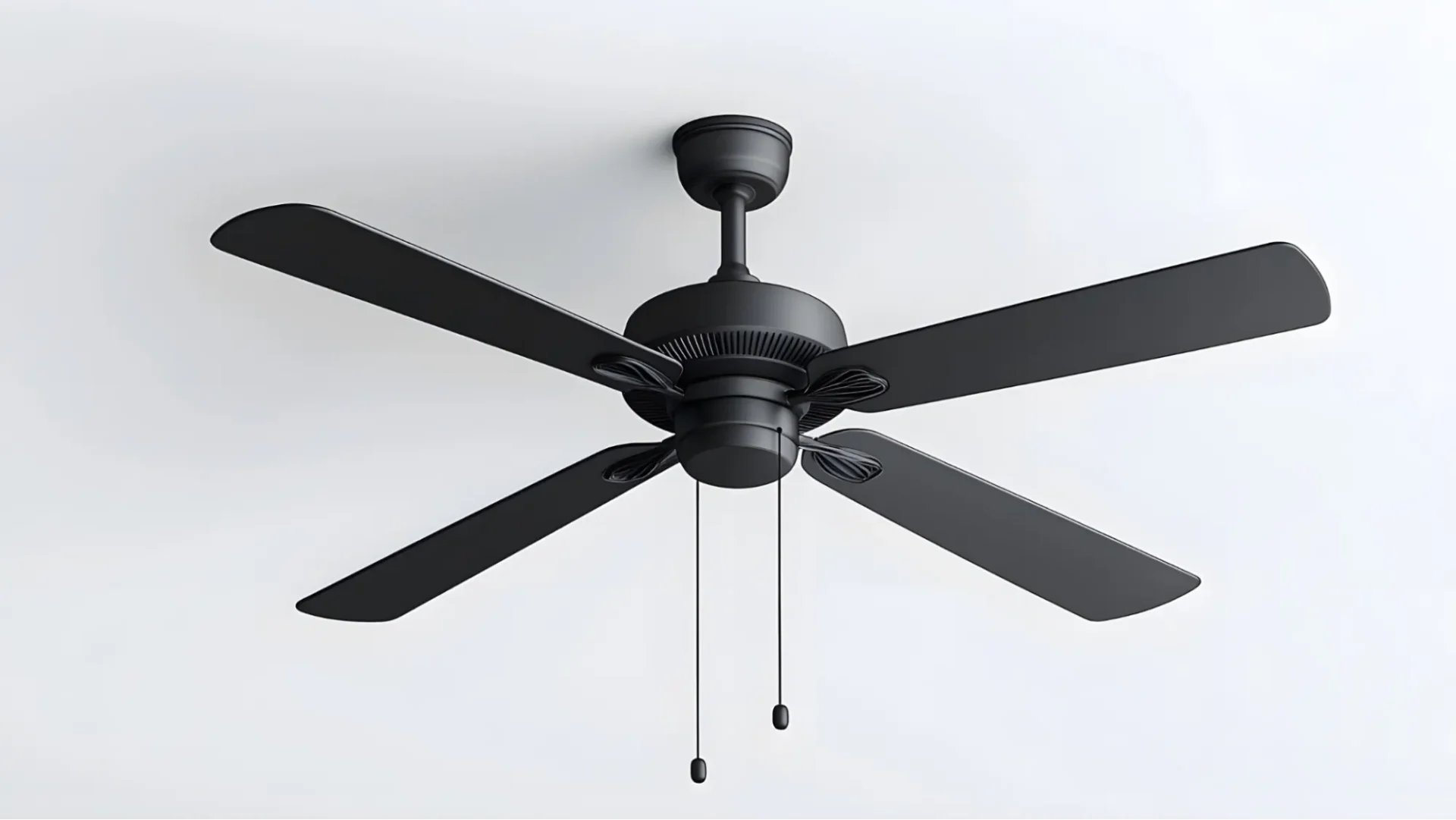
Most people associate ceiling fans with summer cooling, but they’re equally valuable in winter. Heat naturally rises, collecting near ceilings while floors stay cool. Running ceiling fans clockwise at low speed pushes warm air back down, distributing heat more evenly throughout rooms. This simple trick helps your furnace heat your home more efficiently, reducing runtime and extending equipment life.
Protect Your Outdoor Components
If you have a high-efficiency furnace, it uses outdoor intake and exhaust pipes. Keep these clear of snow, ice, leaves, and debris. Blocked vents can cause your furnace to shut down or operate unsafely. After storms or heavy snowfall, check these vents and clear any obstructions.
Ready to Extend Your Furnace’s Life?
Taking care of your furnace doesn’t require expert knowledge or significant time investment. These simple maintenance steps protect your heating system, improve efficiency, and help you avoid expensive emergency repairs. Regular attention to your furnace pays dividends in comfort, reliability, and longevity.
Maintemp Heating and Air Conditioning understands that your home comfort matters. Our experienced technicians provide comprehensive furnace service to keep your heating system running smoothly year after year. Whether you need routine maintenance or suspect your system needs attention, we’re here to help. Don’t wait for a breakdown to think about your furnace. Contact Maintemp today to schedule your maintenance appointment and ensure your heating system is ready to perform reliably all winter long.
Frequently Asked Questions
How often should I have my furnace professionally serviced?
Schedule professional furnace service annually, preferably in early fall before heating season begins. This timing allows technicians to identify and fix potential issues before you need your furnace most, preventing mid-winter breakdowns and ensuring optimal efficiency throughout the cold months.
What are the signs my furnace needs immediate repair?
Watch for unusual noises like banging or squealing, inconsistent heating, yellow pilot light flames instead of blue, frequent cycling on and off, sudden increases in energy bills, or strange odors. Any of these symptoms warrants immediate professional attention to prevent further damage or safety hazards.
Can I perform furnace maintenance myself, or do I need a professional?
You can handle basic maintenance like changing filters, keeping vents clear, and cleaning around the unit. However, internal components, gas connections, electrical systems, and safety controls require professional expertise. Combine DIY basics with annual professional service for the best results and longest furnace lifespan.