
Is a Rooftop HVAC Unit Right for Your Commercial Property?
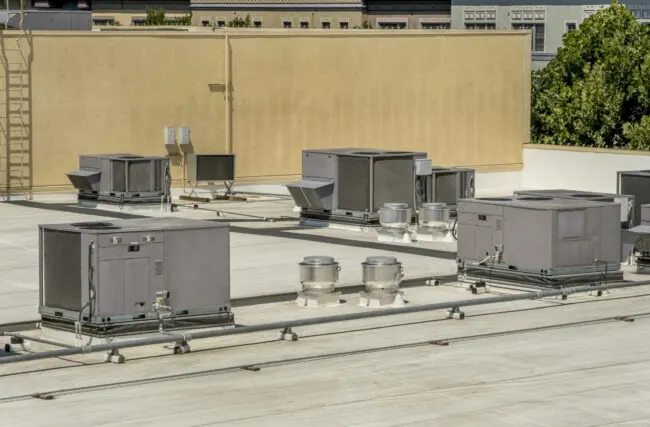
When planning HVAC solutions for your commercial building, the decision between rooftop and ground-level systems can significantly impact your operations, maintenance costs, and bottom line. Rooftop HVAC units have become increasingly popular for commercial properties, but are they the right choice for your specific needs? Understanding the advantages, considerations, and requirements of rooftop systems helps you make an informed decision that serves your business for years to come.
Understanding Rooftop HVAC Systems
A rooftop HVAC unit is a self-contained heating and cooling system installed on the roof of commercial buildings. Unlike traditional split systems with indoor and outdoor components, rooftop units package all components into a single cabinet. These systems are designed specifically for commercial applications, handling the greater heating and cooling demands of retail spaces, office buildings, warehouses, and industrial facilities.
The concept is straightforward: install your entire HVAC system on the roof where it’s out of the way, freeing up valuable ground-level and interior space for productive use. Air is pulled from inside the building through ductwork, conditioned by the rooftop unit, and distributed back through the building. This configuration has made rooftop systems the go-to choice for many commercial property owners and managers.
The Space Saving Advantage
Commercial real estate is expensive, and every square foot counts. Installing a rooftop HVAC unit eliminates the need for equipment rooms, outdoor pad space, or wall-mounted units that take up valuable areas. This becomes especially important in urban settings where property footprints are limited and maximizing usable space directly impacts revenue potential.
Retail businesses can use the extra space for displays or inventory. Office buildings gain more leasable square footage. Restaurants can expand seating areas or kitchen space. The absence of ground-level equipment also improves curb appeal and eliminates unsightly mechanical installations that detract from your building’s appearance. For properties with landscaping requirements or aesthetic standards, keeping equipment out of sight on the roof is a significant advantage.
Ease of Installation and Expansion
Rooftop units typically install faster than ground-level systems because they require less structural work and fewer connection points. The modular nature of these systems makes adding capacity straightforward as your business grows. Need more cooling for a building expansion? Simply add another rooftop unit without major renovations or complex integration work.
This scalability provides flexibility that many business owners appreciate. You can start with the capacity you need today and expand incrementally as demands increase, avoiding the expense of oversized systems or the disruption of complete replacements. Each unit operates independently, so maintenance or repairs on one unit don’t affect others, ensuring continuous climate control even during service work.
Security and Vandalism Protection
Equipment installed at ground level faces risks that rooftop installations avoid. Vandalism, theft of copper components, and accidental damage from vehicles or equipment all threaten ground-level HVAC systems. Placing units on the roof inherently protects them from these concerns, reducing insurance claims and unexpected repair costs.
This security advantage extends to operational safety as well. Rooftop units are away from public access, reducing liability concerns and ensuring only authorized personnel interact with your HVAC equipment. For businesses in areas with higher property crime rates, this benefit alone can justify the rooftop configuration.
Noise Reduction Benefits
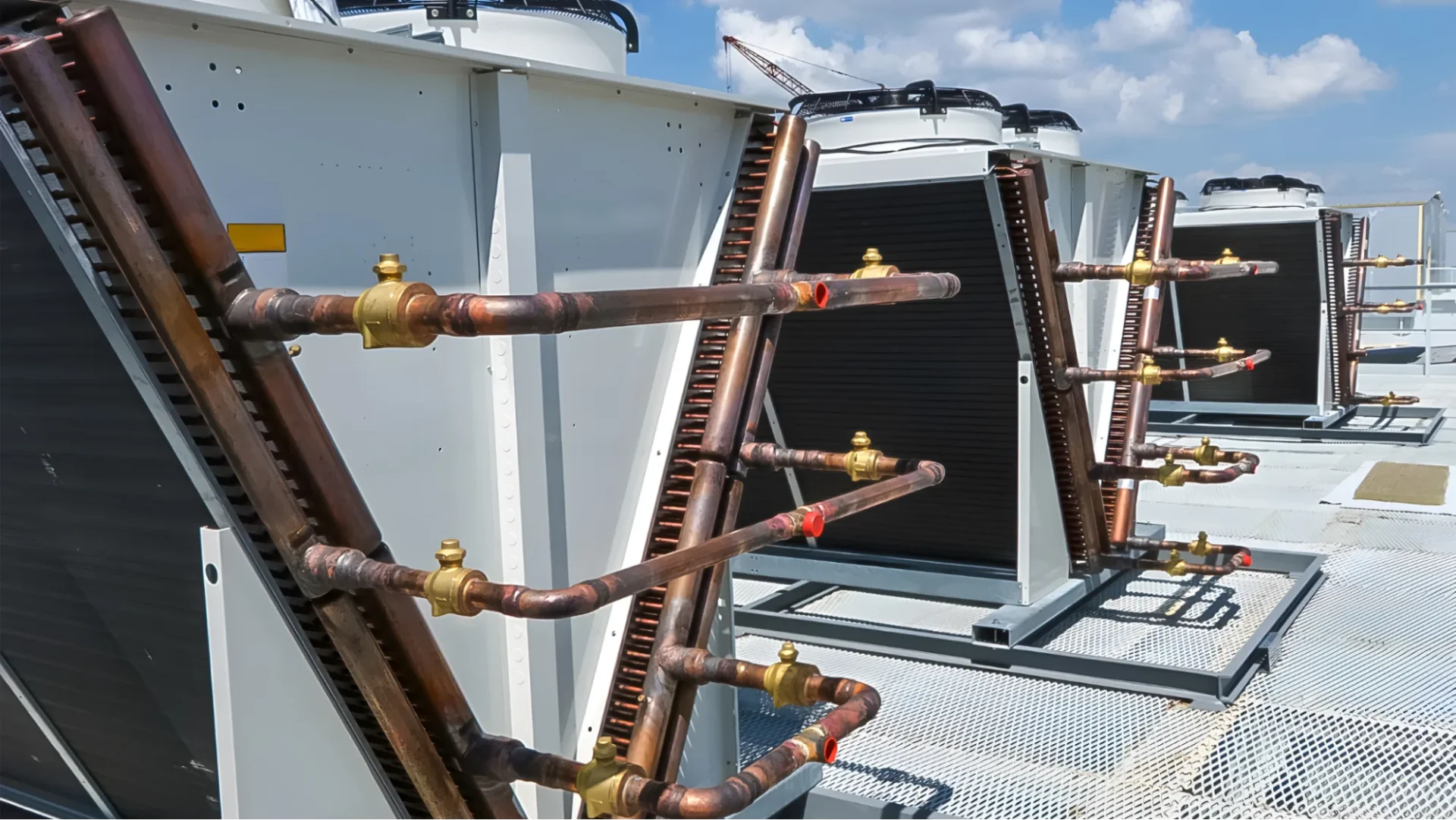
HVAC systems generate operational noise that can disturb occupants, neighbors, or customers. Rooftop HVAC unit installation moves this noise away from ground-level activities where it matters most. Retail stores maintain quieter shopping environments, office buildings provide better working conditions, and restaurants create more pleasant dining experiences when HVAC noise isn’t competing for attention.
Local noise ordinances sometimes restrict ground-level equipment noise, particularly in mixed-use developments or residential areas. Rooftop installation helps businesses comply with these regulations while maintaining the climate control their operations require. The distance between the equipment and occupied spaces naturally dampens sound transmission, creating a more comfortable environment for everyone inside the building.
Maintenance Accessibility Considerations
While rooftop units offer numerous advantages, maintenance access requires consideration. Technicians need safe roof access to perform hvac maintenance, which means your building needs appropriate access points like stairs, ladders, or roof hatches. The roof must support both the equipment weight and service personnel safely in all weather conditions.
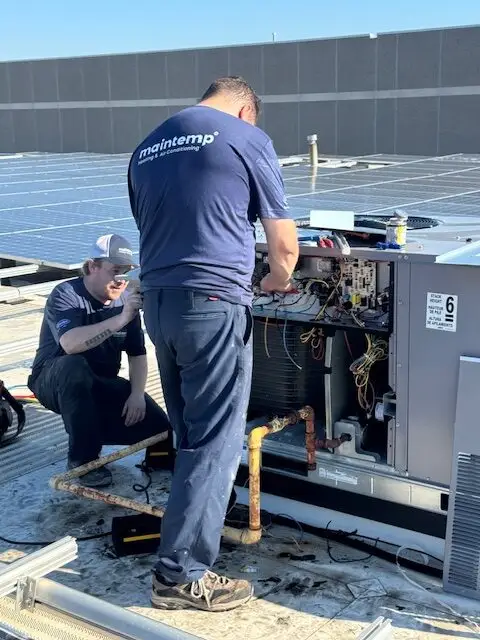
However, many commercial property managers actually prefer rooftop maintenance because it keeps service personnel out of occupied spaces. Technicians can work without disrupting business operations, employees, or customers. Scheduling flexibility improves because maintenance doesn’t require coordinating around business hours or customer traffic patterns. When you search for “hvac contractors near you” to service rooftop equipment, look for companies experienced with commercial rooftop systems who understand proper safety protocols and have appropriate equipment for roof work.
Weather Exposure and Durability
Rooftop units face direct exposure to sun, rain, snow, ice, and wind. Manufacturers design these systems specifically for outdoor installation with weather-resistant cabinets, protective coatings, and durable components. Quality rooftop units withstand environmental challenges effectively, but this exposure does mean regular HVAC maintenance becomes even more important.
Seasonal considerations affect rooftop systems differently depending on your climate. Snow and ice accumulation can block airflow or damage components if not managed properly. Desert climates expose equipment to extreme heat and UV radiation. Coastal properties deal with salt air corrosion. Understanding your local environmental factors helps you select appropriate equipment and establish maintenance schedules that address specific weather-related concerns.
Energy Efficiency and Operating Costs
Modern rooftop HVAC units incorporate advanced efficiency features like variable speed fans, economizer modes, and sophisticated controls that optimize performance. The compact, integrated design can actually improve efficiency compared to split systems with long refrigerant line runs. Shorter duct runs in many commercial buildings also reduce energy losses from air distribution.
However, efficiency depends heavily on proper sizing, installation quality, and ongoing maintenance. An oversized unit wastes energy through short cycling, while an undersized system runs constantly without achieving comfort goals. Working with experienced HVAC contractors near you who understand commercial load calculations ensures your rooftop system operates at peak efficiency from day one.
Installation Requirements and Costs
Not every building is suitable for rooftop HVAC installation. The roof structure must support equipment weight plus the dynamic loads from operation and maintenance activities. Flat or low-slope roofs work best, though systems can adapt to various roof configurations. Your building may need structural reinforcement, which adds to initial installation costs.
Electrical service, gas lines (for heating), and ductwork connections must reach the roof, sometimes requiring significant modifications. Older buildings may need upgrades to accommodate modern rooftop units. Despite these considerations, many property owners find that long-term benefits outweigh initial investment, particularly when factoring in space savings and operational advantages.
Weighing Your Options
Deciding whether a rooftop HVAC unit fits your commercial property involves evaluating multiple factors specific to your situation. Building design, available space, structural capacity, local climate, budget, and operational priorities all influence the decision. Properties with limited ground space, multiple stories, or flat roofs often find rooftop systems ideal. Businesses prioritizing security, noise control, or aesthetic appearance also benefit from rooftop configurations.
Consider your long-term plans as well. If expansion is likely, rooftop systems offer easier scalability. If your business requires 24/7 climate control, the redundancy of multiple rooftop units provides reliability that single large systems can’t match. Think about maintenance preferences, too. Some property managers prefer keeping service activities away from occupied spaces, while others prioritize easy ground-level access.
Making the Right Choice for Your Property
Choosing the right HVAC configuration for your commercial property impacts comfort, operational efficiency, and maintenance costs for decades. Rooftop HVAC units offer compelling advantages for many commercial applications, but success depends on proper planning, quality equipment selection, and professional installation.
Maintemp Heating and Air Conditioning specializes in commercial HVAC solutions, including rooftop system design, installation, and maintenance. Our experienced team evaluates your building’s specific requirements, recommends appropriate equipment, and ensures installations meet all safety and performance standards. Whether you’re constructing a new building, replacing aging equipment, or expanding your facility, we provide expert guidance through every step of the process.Don’t leave your commercial HVAC decisions to chance. Contact Maintemp Heating and Air Conditioning today for a comprehensive evaluation of your property’s heating and cooling needs. We’ll help you determine whether a rooftop HVAC unit is the right solution and design a system that keeps your business comfortable, efficient, and operating smoothly year-round.
Frequently Asked Questions
How long do rooftop HVAC units typically last?
Commercial rooftop HVAC units typically last 10-15 years with proper maintenance. Longevity depends on factors including equipment quality, installation expertise, local climate conditions, and adherence to regular maintenance schedules. Units in harsh environments or those lacking proper maintenance often require replacement sooner, while well-maintained systems in moderate climates can exceed 20 years.
What maintenance does a rooftop HVAC unit require?
Rooftop units need quarterly inspections, filter changes every one to three months, annual professional servicing, and immediate attention to any performance issues. Maintenance includes cleaning coils, checking refrigerant levels, inspecting electrical connections, testing safety controls, lubricating moving parts, and clearing debris. Regular HVAC maintenance prevents breakdowns, maintains efficiency, and extends equipment lifespan.
Can rooftop HVAC units be installed on any commercial building?
Not all buildings suit rooftop installation. The roof structure must support equipment weight and provide safe access for maintenance. Flat or low-slope roofs work best, and the building needs adequate structural capacity. Older buildings may require reinforcement. A professional structural evaluation determines whether your building can safely accommodate rooftop HVAC equipment and what modifications might be necessary.