
How to Safely Restart Your Air Conditioner After a Long Canadian Winter
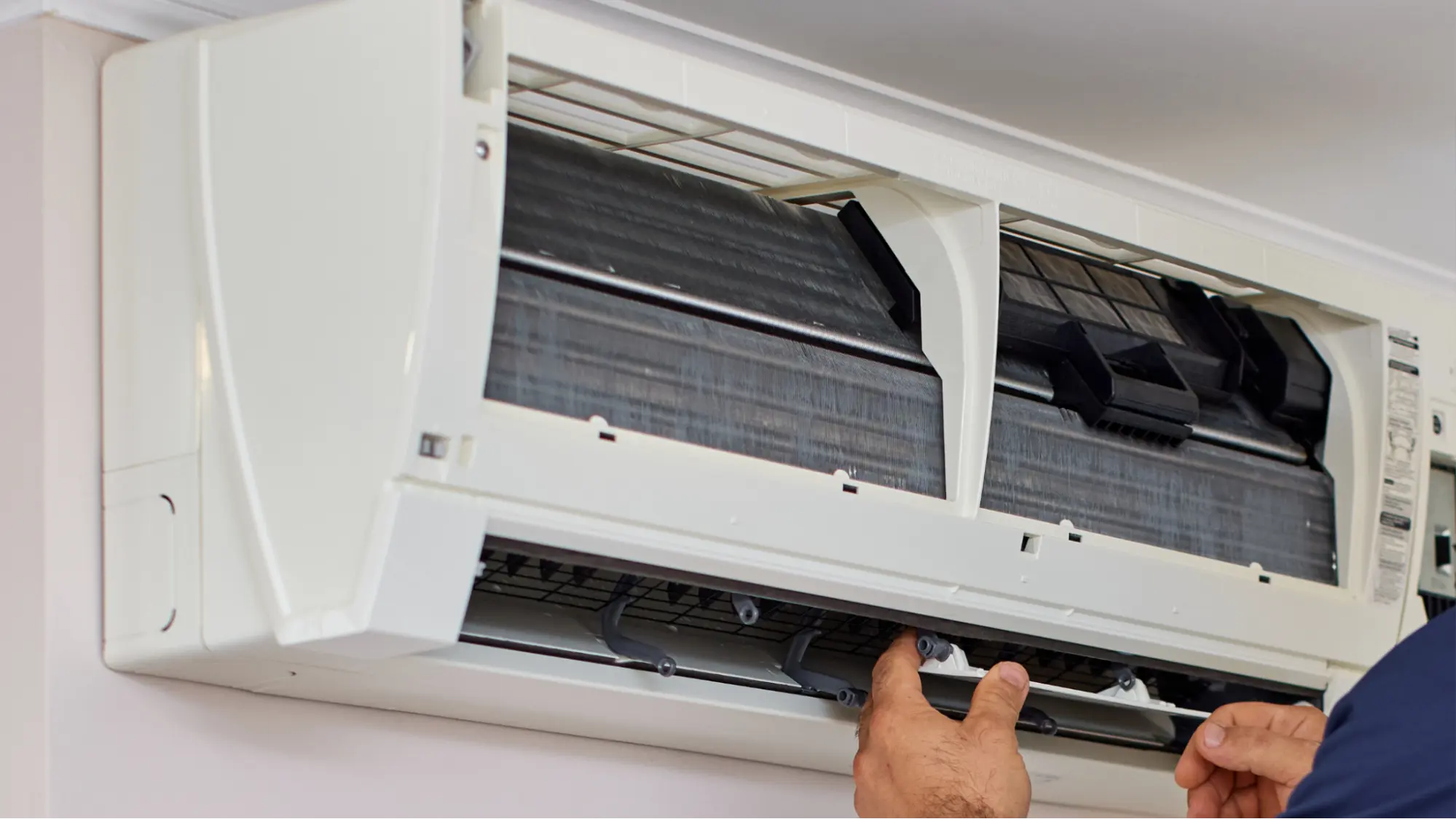
Spring in Southern Ontario is unpredictable. One day you are scraping frost off your windshield, and the next you are reaching for the thermostat because temperatures have jumped past 20 degrees. When that first warm stretch arrives, it is tempting to flip the AC switch and hope for the best. But after months of sitting idle through snow, ice, and freezing rain, your cooling system deserves a little more care than that.
Restarting your air conditioner without proper preparation can lead to refrigerant leaks, compressor damage, or reduced efficiency that drives up your energy bills all summer. The good news is that a safe restart is something any homeowner in Burlington, Oakville, Milton, Hamilton, Grimsby, or Stoney Creek can handle with the right checklist and a bit of professional backup.
Step 1: Start With a Visual Inspection of the Outdoor Unit
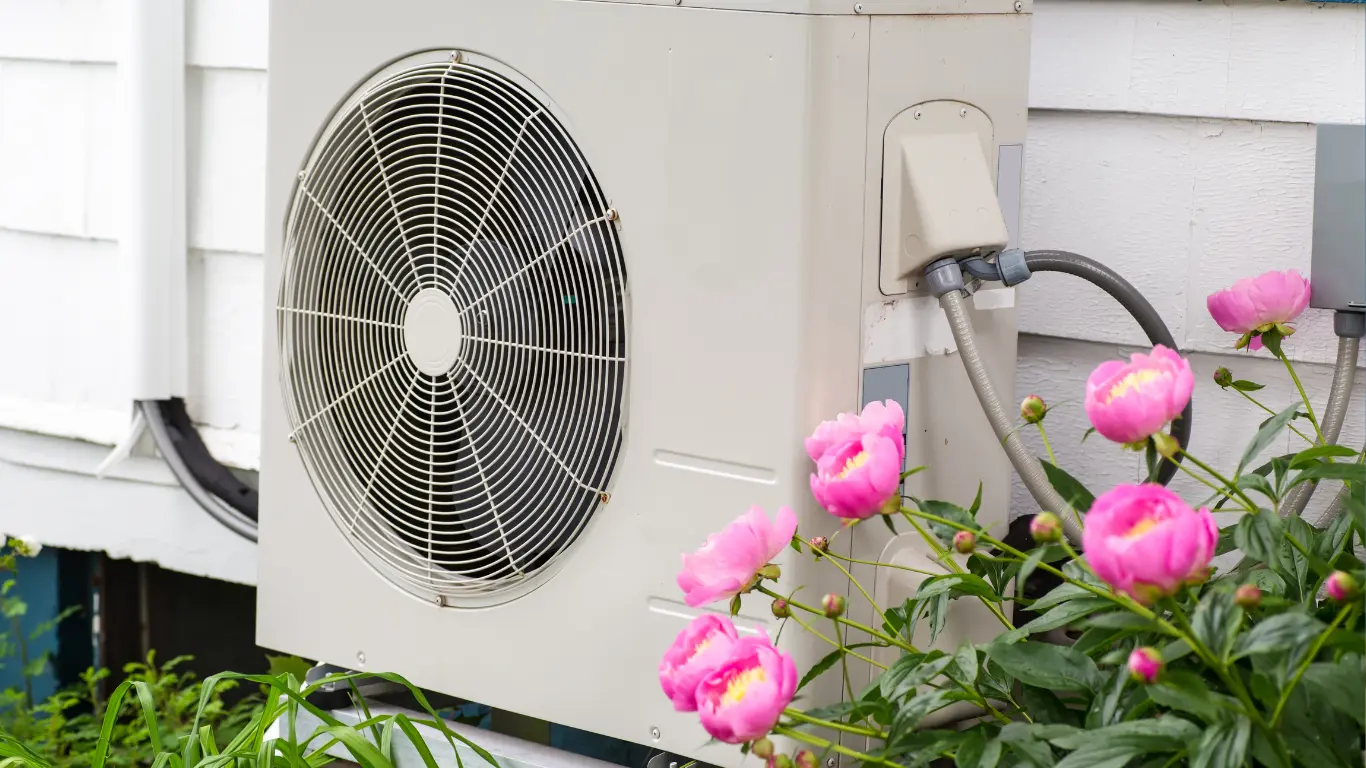
Your condenser unit has been sitting outside through an entire Canadian winter. Before you power anything on, walk outside and take a close look. Clear away any debris that has piled up around the unit, including dead leaves, twigs, gravel, and anything that may have blown against the housing during storms. Trim back any shrubs or vegetation so there is at least two feet of clearance on all sides. This airflow space is critical for your system to cool properly.
Check the condenser fins for visible damage. If fins are bent or clogged with dirt, airflow is restricted and the unit has to work harder. A garden hose on a gentle setting can rinse away surface grime, but avoid using a pressure washer because high force can flatten the delicate fins permanently.
Step 2: Replace or Clean Your Filter
If you left a dirty filter in place over winter, now is the time to swap it out. A clogged filter forces your system to push air through a wall of dust and allergens, which reduces cooling output and puts unnecessary strain on the blower motor. For most homes, a standard pleated filter rated MERV 8 to MERV 11 strikes the right balance between air quality and airflow, and MERV 13 is ideal for allergies & sensitivities.
This simple step alone can improve efficiency by up to 15 percent, according to Natural Resources Canada. It also sets the stage for healthier indoor air quality during allergy season, something every household appreciates after a long winter spent with windows sealed shut.
Step 3: Check the Thermostat Settings
Switch your thermostat from heating mode to cooling mode and set the temperature a few degrees below room temperature. If your thermostat is older and runs on batteries, replace them now to avoid a mid-summer failure. Programmable and smart thermostats are a worthwhile upgrade because they let you schedule temperature changes around your daily routine, reducing energy waste without sacrificing comfort.
Step 4: Turn the Power Back On Correctly
Most HVAC professionals recommend turning the disconnect switch on at least 24 hours before you actually run the unit. This allows the compressor’s internal crankcase heater to warm the refrigerant oil, which prevents damage on the first startup cycle. After the waiting period, set the thermostat to call for cooling and listen for the outdoor unit to engage. You should hear a smooth, consistent hum. Grinding, rattling, or squealing sounds are red flags that indicate you need air conditioner repair before running the system any further.
Step 5: Monitor Performance for the First Few Hours
Once the unit is running, give it an hour or two and then check a few things. Place your hand near a supply vent to confirm cool air is flowing. Check that the condensate drain line is not clogged by looking for water dripping from the drain pipe outside. If the air coming out of the vents feels lukewarm, or if the system is cycling on and off every few minutes (short cycling), these are signs that something deeper may be wrong, from low refrigerant to a failing capacitor.
When to Call a Professional for AC Repair Near You
A safe restart covers the basics, but it is not a substitute for a professional tune-up. A trained technician will measure refrigerant levels, test electrical connections, inspect the evaporator coil, and make sure every component is ready for the summer workload. If your system is more than 10 to 12 years old and repairs are becoming more frequent, it may be worth discussing a new air conditioning system with a licensed installer. Modern units are significantly more efficient, and upgrading now means you avoid an emergency breakdown during a July heatwave.
Maintemp Heating and Air Conditioning has been helping homeowners across the Greater Hamilton Area keep their systems running safely and efficiently for decades. Our experienced team services Burlington, Oakville, Milton, Hamilton, Grimsby, and Stoney Creek with honest recommendations and reliable workmanship.
Ready to Get Your AC Summer-Ready?
Do not wait until the first heatwave to find out your system has a problem. Request a quote for a professional spring tune-up or contact Maintemp today to schedule AC repair near you. Our team will make sure your cooling system is safe, efficient, and ready to handle whatever this Ontario summer throws at it.
Frequently Asked Questions
Q: How do I know if I need AC repair near me after restarting my air conditioner in spring?
A: If your air conditioner makes unusual noises, blows warm air, short cycles frequently, or fails to turn on after following the restart steps, you likely need professional air conditioner repair. A licensed technician can diagnose refrigerant, electrical, or compressor issues before they become costly breakdowns.
Q: How long does an air conditioner last before I need a new air conditioning system?
A: Most central air conditioners last between 12 and 15 years with proper maintenance. If your system requires frequent repairs, struggles to cool your home evenly, or uses R-22 refrigerant, it is likely time to invest in a new air conditioning system that offers better efficiency and reliability.
Q: Should I schedule air conditioner repair before turning my AC on for the season?
A: Yes. A professional spring tune-up catches worn parts, low refrigerant, and electrical issues before they cause a mid-summer failure. Scheduling air conditioner repair in spring also means shorter wait times compared to peak summer demand.