
How Often Should You Service Your Heating System in Ontario’s Climate?

If you’re like most Ontario homeowners, you probably don’t think much about your heating system until something goes wrong. But here’s the reality: our harsh Canadian winters put enormous stress on furnaces and heating equipment. When temperatures regularly dip below freezing for months on end, your heating system becomes your home’s hardest-working appliance.
So, how often should you actually service your heating system? The short answer is at least once a year. But let’s dig deeper into why this matters so much in Ontario’s unique climate, and what happens when you skip this essential maintenance.
Why Ontario’s Climate Demands Regular Furnace Service
Ontario’s climate is not gentle on heating systems. We experience some of the coldest winters in North America, with temperatures frequently dropping to minus 20 degrees Celsius or lower. Your furnace might run for 12 to 16 hours a day during peak winter months, working overtime to keep your family comfortable.
Think about your car for a moment. If you drove it continuously for hours every single day under extreme conditions, you’d need regular oil changes and tune-ups, right? Your heating system deserves the same attention. The constant cycling on and off, combined with cold air intake and the strain of heating your entire home, creates wear and tear that accumulates over time.
During these brutal winters, the last thing you want is for your furnace to break down at 2 AM when it’s minus 25 outside. Annual furnace service isn’t just about efficiency; it’s about reliability when you need it most.
The Annual Service Schedule: Your Best Defense
Most HVAC professionals recommend scheduling your furnace service in early fall, ideally September or October. This timing gives you a critical advantage: you’re catching problems before the heating season begins rather than during it.
During a comprehensive service appointment, a qualified technician will inspect your heat exchanger for cracks, test your thermostat’s accuracy, check all electrical connections, clean or replace your air filter, examine the blower motor and belt, verify proper airflow, test safety controls, and ensure carbon monoxide levels are safe.
This thorough inspection catches small issues before they become expensive HVAC repair emergencies. A worn belt has a minimal cost to replace during a service call. That same belt breaking in January could leave you without heat and facing emergency service rates plus the cost of a new belt.
When You Might Need More Frequent Service
While annual service works for most homes, certain situations call for more attention. If your heating system is over 10-15 years old, you might benefit from twice-yearly check-ups. Older systems work harder and are more prone to unexpected failures.
Homes with pets should also consider more frequent service. Pet hair and dander can clog filters and accumulate in your system, forcing it to work harder and potentially causing premature failure. If you have multiple pets or breeds that shed heavily, checking your system every six months makes good sense.
Large families that keep the thermostat running high or homes with poor insulation also put extra demands on heating systems. The more your furnace runs, the faster components wear out. If you notice your system cycling on and off frequently or running constantly during cold snaps, it’s worth having a technician take a closer look between annual services.
The Real Cost of Skipping Maintenance
Some homeowners skip furnace service to save a couple of hundred dollars. This almost always backfires. Without regular maintenance, your system loses efficiency at a rate of about 5% per year. That means higher energy bills are eating away at your savings month after month.
More importantly, neglected systems fail more often and fail at the worst possible times. Emergency HVAC repair during a winter cold snap can cost three to four times what you’d pay for a planned service call. Many emergency situations could have been prevented entirely with routine maintenance.
There’s also the safety factor that many people overlook. A cracked heat exchanger or faulty safety control can allow carbon monoxide to enter your home. This invisible, odorless gas is deadly. Annual inspections catch these issues before they threaten your family’s safety.
What Happens During a Professional Service Visit
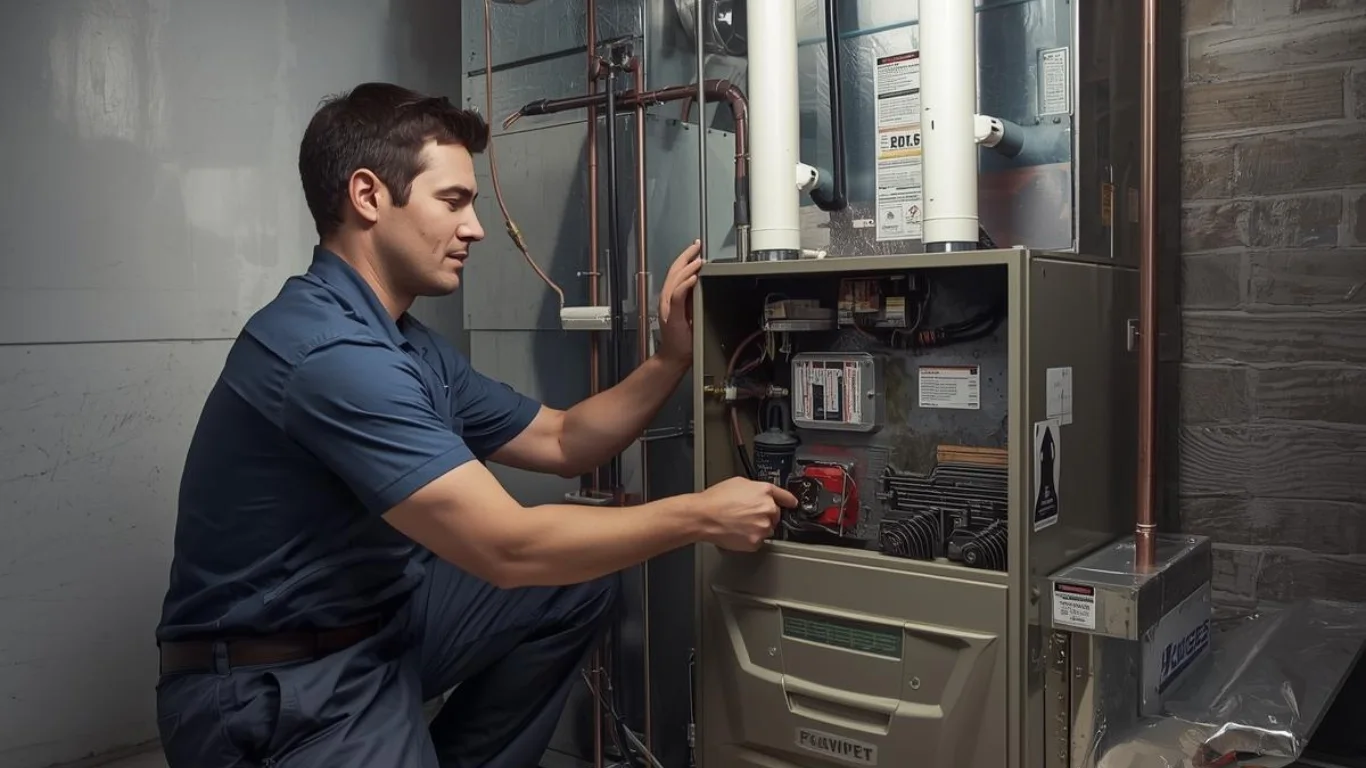
Understanding what you’re paying for helps you appreciate the value of professional furnace service. A reputable technician doesn’t just show up, glance at your furnace, and leave. They perform a systematic inspection that takes up to an hour.
They’ll start by examining visible components for signs of wear, rust, or damage. They’ll test your thermostat’s calibration because even a few degrees of inaccuracy forces your system to work harder than necessary. The air filter gets inspected, and the best route forward to improving air quality and system efficiency is suggested.
The technician will check electrical connections for signs of overheating or looseness, measure voltage and current on motors to ensure they’re operating within specifications, and lubricate moving parts to reduce friction and wear. They’ll also inspect the condensate drain to prevent water damage and verify that safety controls shut the system down properly if problems occur.
Perhaps most critically, they’ll check for carbon monoxide leaks and inspect the heat exchanger, where cracks can develop over time. This single inspection justifies the cost of service by protecting your family from a potentially fatal hazard.
DIY Maintenance Between Professional Visits
While you should never skip professional service, there are steps you can take between appointments to keep your system running smoothly. Check your air filter monthly during heating season and replace it when it looks dirty. A clogged filter is the most common cause of heating system problems and the easiest to prevent.
Keep your vents and registers clear of furniture, curtains, and other obstructions. Blocked vents force your system to work harder and can create pressure imbalances that damage components. Listen for unusual noises like grinding, squealing, or banging, which often signal developing problems that need attention before they cause complete failure.
Pay attention to your energy bills, too. A sudden spike in heating costs often indicates your system is losing efficiency and needs service. Don’t ignore these warning signs until your furnace stops working entirely.
Making the Smart Choice for Your Home
Regular furnace service isn’t an expense; it’s an investment in comfort, safety, and long-term savings. In Ontario’s demanding climate, your heating system needs professional attention to perform reliably through months of continuous use.
The peace of mind alone is worth the annual service cost. Knowing your family won’t wake up to a freezing house in the middle of a January cold snap, that you’re not breathing carbon monoxide, and that you’re not wasting money on inflated energy bills makes the decision straightforward.
Maintemp Heating and Air Conditioning has been keeping Ontario homes warm and safe for years. Our experienced technicians understand the unique demands that Canadian winters place on heating systems, and we’re committed to providing thorough, reliable service that keeps your furnace running all season long. Don’t wait until you’re facing an emergency repair. Contact Maintemp today to schedule your furnace service and ensure your heating system is ready for whatever winter throws at it.
Frequently Asked Questions
Can I service my own furnace to save money?
While you can handle basic tasks like changing filters, professional furnace service requires specialized tools, training, and knowledge. Technicians can spot problems you’d miss and have the expertise to work safely with gas lines, electrical systems, and carbon monoxide risks. The modest cost of professional service is worthwhile insurance against costly repairs and safety hazards.
What’s the best month to schedule heating system maintenance?
September and October are ideal for furnace service in Ontario. You’re scheduling before the rush of heating season begins, so you’ll have better appointment availability and can address any issues before you actually need heat. This timing ensures your system is ready when temperatures drop.
How long does a well-maintained furnace typically last?
With regular professional service, a quality furnace should last 15 to 20 years in Ontario’s climate. Systems that receive annual maintenance consistently outlive neglected ones by several years and operate more efficiently throughout their lifespan, saving you money on both repairs and energy costs.