
Do Tankless Water Heaters Work in Ontario Winters? What Homeowners Need to Know About Cold Climate Performance
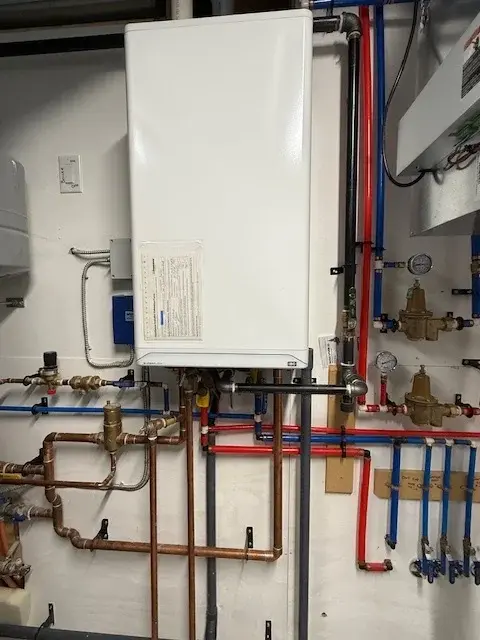
Tankless water heaters have become one of the most talked-about upgrades in the home improvement world, and for good reason. The promise of endless hot water, lower energy bills, and a compact footprint is genuinely appealing. But if you live in Ontario, you have probably wondered whether all that promise holds up when groundwater temperatures drop below freezing, and your pipes are working overtime just to keep things flowing.
The short answer is yes, tankless water heaters can and do work in Ontario winters. But there are some important nuances every homeowner should understand before making the switch.
Why Cold Climate Performance Matters
Tankless water heaters heat water on demand as it passes through the unit rather than storing a large volume of pre-heated water like traditional water heater tanks. That sounds great in theory, but here is the catch: in cold climates like Ontario, incoming groundwater temperatures can drop significantly during winter months. In some areas, tap water entering your home can be as cold as 2 to 5 degrees Celsius in January and February.
Why does that matter? Because a tankless unit has to raise that water to a usable temperature, typically between 49 and 60 degrees Celsius, in the time it takes to flow through the heat exchanger. The colder the incoming water, the harder the unit has to work and the more fuel or electricity it consumes to get there.
Flow Rate vs. Temperature Rise: The Key Trade-Off
Every tankless water heater is rated for a maximum flow rate and a corresponding temperature rise. In a warm climate where incoming water might be 15 degrees Celsius, a mid-range unit handles a solid flow rate with ease. In Ontario in February, that same unit is dealing with much colder input water and has to reduce its maximum flow rate to compensate.
In practical terms, this means that during the coldest weeks of the year, you may not be able to run a hot shower and a dishwasher simultaneously without the unit struggling to keep up. This does not make tankless systems a bad choice for Ontario, but it does mean that sizing the unit correctly is absolutely critical. Undersizing is a common mistake, and it is one that leads to frustrated homeowners searching for water heater repair near you in the dead of winter.
Gas vs. Electric Tankless in Cold Climates
For Ontario winters specifically, gas-fired tankless water heaters tend to outperform electric models in cold climate conditions. Gas units have a higher heating capacity and can more reliably achieve the temperature rise needed when incoming water is very cold. Electric tankless heaters can work well for point-of-use applications such as a single bathroom or a kitchen sink, but they are typically not powerful enough to serve as a whole-home solution during peak winter demand.
If you are considering a whole-home upgrade and moving away from traditional water heater tanks, a high-efficiency condensing gas tankless unit is generally the better choice for Ontario’s climate.
Freeze Protection: Does the Unit Itself Need to Be Winterized?
This is a question that comes up frequently, especially for homeowners who have tankless units installed in garages, utility rooms, or near exterior walls. Most modern tankless water heaters come with built-in freeze protection features that activate a small electric heating element when temperatures inside the unit drop close to freezing. However, this protection typically only applies to the unit itself, not the pipes leading to and from it.
If you have a tankless unit in an area of your home that is not well-heated, make sure the supply and outlet pipes are properly insulated. Frozen pipes leading to a tankless system can cause just as much damage as frozen pipes anywhere else in your home, and water heater repair near you is not the call you want to make on a January morning.
What About Switching From Traditional Water Heater Tanks?
Many Ontario homeowners are making the switch from conventional water heater tanks to tankless systems as part of a broader home efficiency upgrade. The decision makes a lot of sense when your existing tank is aging and starting to show signs of wear. Conventional water heater tanks typically last 8 to 12 years before corrosion, sediment buildup, or component failure leads to problems. When that conversation comes up, it is worth evaluating whether a tankless replacement aligns with your hot water usage habits and budget.
Keep in mind that the upfront cost of a tankless unit and proper installation is higher than simply replacing one tank with another. But over the lifetime of the unit, the energy savings often offset that difference, particularly for households with high hot water demand.
Getting the Right System Sized for Your Home
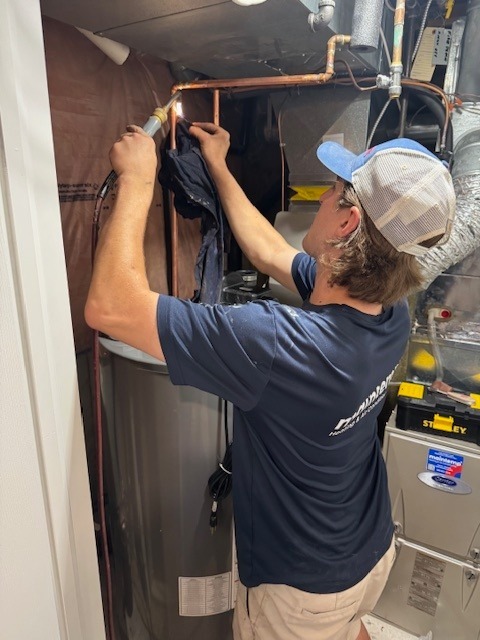
The single most important factor in a successful tankless installation in Ontario is proper sizing. A qualified technician will calculate your peak hot water demand, account for the temperature of your incoming groundwater, and recommend a unit with enough capacity to handle winter conditions without throttling flow. Do not try to size a tankless unit based on a general online calculator alone. The specifics of your home, usage patterns, and local groundwater temperature all matter.
Maintemp Heating and Air Conditioning helps Ontario homeowners navigate decisions like this every day. Whether you are weighing the move from traditional water heater tanks to a tankless system, dealing with a unit that is not performing the way it should, or looking for honest guidance on what works best in a cold climate, the Maintemp team is here to walk you through it. Reach out today to schedule a consultation or to get a quote on a new installation. Your comfort should not wait until spring
Frequently Asked Questions
Q: Can water heater tanks freeze during Ontario winters, and what should I do if mine does?
Traditional water heater tanks installed indoors rarely freeze, but tankless units near exterior walls or in unheated spaces are more vulnerable. If you suspect your system has been affected by freezing, do not attempt to run hot water or restart the unit. Call for water heater repair near you right away to have a technician assess any damage before operating the system again.
Q: How do I know if a tankless water heater can keep up with demand in my Ontario home during winter?
The key factors are the unit’s flow rate rating and its ability to achieve the required temperature rise from cold incoming groundwater. A licensed technician can calculate your home’s peak demand and match you with a correctly sized unit. Proper sizing is the difference between a system that performs all winter and one that leaves you with lukewarm water on the coldest days.
Q: Are there situations where replacing old water heater tanks with a tankless system does not make sense?
In some cases, particularly in homes with very high simultaneous hot water demand or where gas line upgrades would be required, the cost and complexity of switching may outweigh the benefits. A professional assessment will help you understand whether tankless is the right move or whether a high-efficiency tank replacement is a better fit for your situation.