
The Right Humidity Level for Your Home (And Why It Matters More Than You Think)
Most homeowners spend a lot of time thinking about temperature. Too hot? Crank the AC. Too cold? Turn up the heat. But there is one factor that quietly shapes how comfortable, healthy, and well-maintained your home actually is, and it does not always show up on a thermostat. That factor is humidity.
Getting your home’s humidity level right is one of the simplest and most impactful things you can do for your family’s comfort and your home’s long-term condition. Here is what you need to know.
What Is the Ideal Humidity Level?
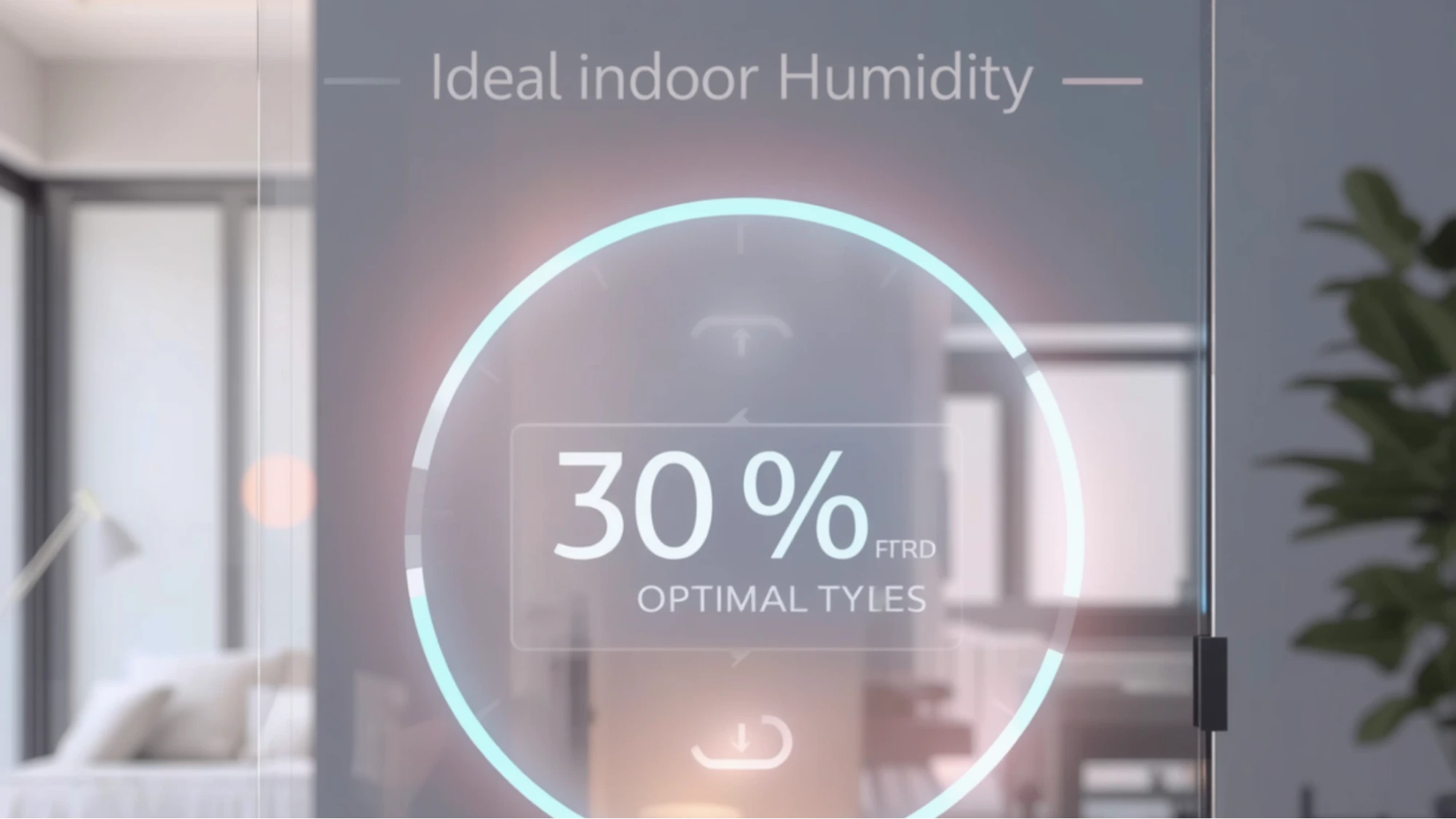
The sweet spot for indoor humidity is between 30% and 50%. Within that range, your home feels comfortable, your air quality stays healthy, and your walls, floors, and furniture stay in good shape. Step outside that range in either direction, and things start to go wrong quickly.
What Happens When Humidity Gets Too High
When indoor humidity climbs above 50%, your home starts to feel heavy and sticky. You might notice that your sleep quality drops, your skin feels clammy, and the air just does not feel fresh. For anyone dealing with asthma or allergies, high humidity can make symptoms noticeably worse.
Your home suffers too. Excess moisture can lead to mould and mildew growth, warped flooring and subfloor damage, and visible condensation collecting on your windows. If you are catching a musty smell in certain rooms or seeing foggy glass on a mild day, your humidity levels are likely too high.
What Happens When Humidity Drops Too Low
Low humidity brings its own set of problems. When indoor moisture levels fall below 30%, you may start waking up with a dry throat, irritated eyes, or cracked lips. Your immune system also takes a hit as dry air makes it easier for cold and flu viruses to spread and survive.
Your home is not immune either. Wood floors, trim, window surrounds, and furniture can crack and shrink when the air is consistently too dry. These are not cosmetic issues you can ignore; they are signs that your home is under real stress.
How to Take Control of Your Home’s Humidity
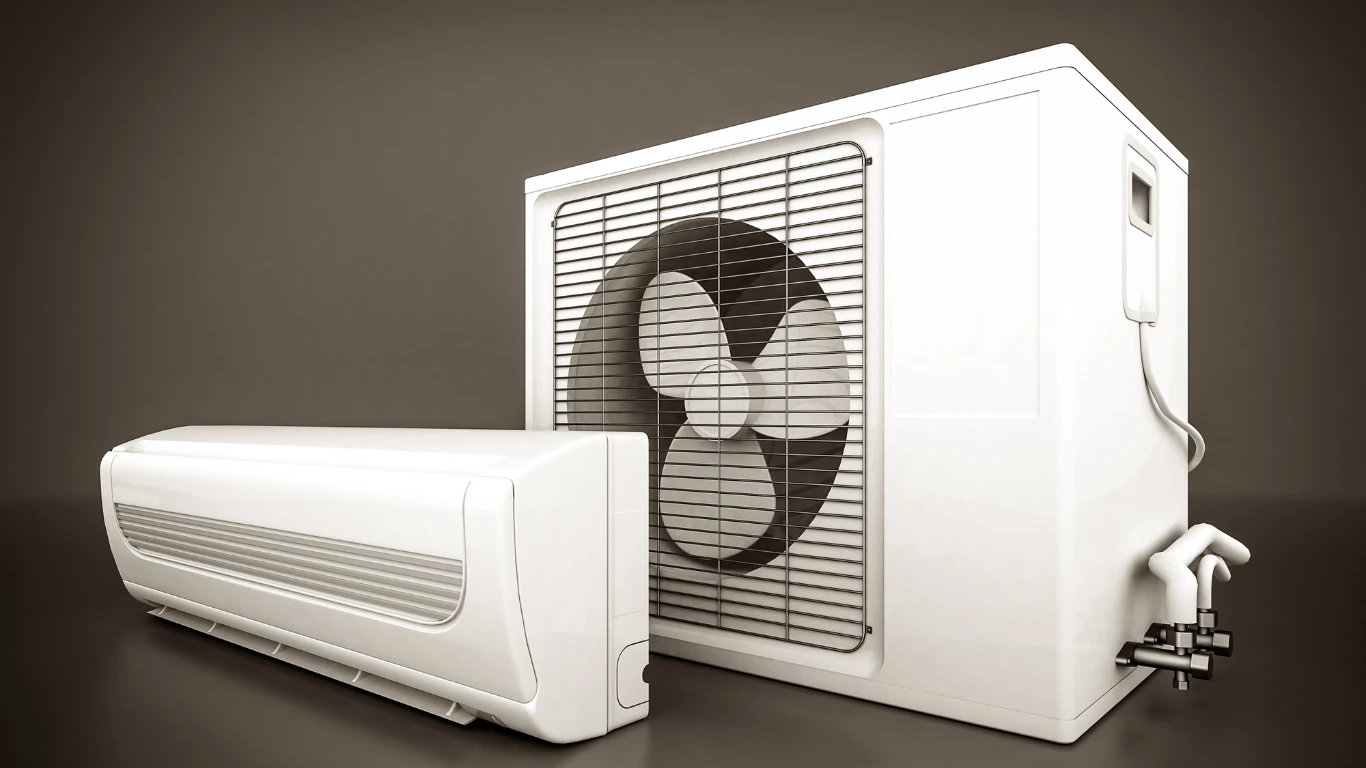
The good news is that managing humidity does not have to be complicated. Investing in quality HVAC equipment that includes built-in humidity control is one of the most effective steps you can take. Carrier air conditioners are designed specifically to regulate both temperature and moisture levels, giving you consistent comfort across every season.
With the Carrier Infinity System Control, you get a smart, whole-home approach to climate management. You can monitor and adjust humidity levels in real time, stay comfortable throughout the year, and reduce energy waste, all from one intuitive system.
Routine HVAC maintenance is just as important as the equipment you choose. Scheduling regular tune-ups ensures your system is running at peak efficiency, catching issues before they affect your air quality or drive up your energy bills. Whether you are looking for air conditioner installation near you or simply want to make sure your current system is up to the job, the Maintemp team is here to help.
Ready to Breathe Easier at Home?
Do not wait until mould appears on your walls or your family starts waking up congested. Contact Maintemp Heating and Air Conditioning today to get expert advice on humidity control, HVAC maintenance, and the right Carrier products for your home.
FAQs
How do I know if my home’s humidity is off?
Common signs include window condensation, a musty smell, dry or cracked skin, and visible mould growth. A simple hygrometer (a small, inexpensive device) can measure your indoor humidity accurately.
Can my air conditioner help with humidity control?
Yes. Modern air conditioners, especially high-efficiency models like Carrier systems, are designed to remove excess moisture from the air as part of the cooling process. Upgrading your equipment can make a significant difference.
How often should I schedule HVAC maintenance to keep humidity levels in check?
Twice a year is the general recommendation, once in the spring before cooling season and once in the fall before heating season. Regular HVAC maintenance keeps your system running efficiently and helps prevent humidity-related issues before they start.