
How to Choose the Right Furnace for Your Ontario Home
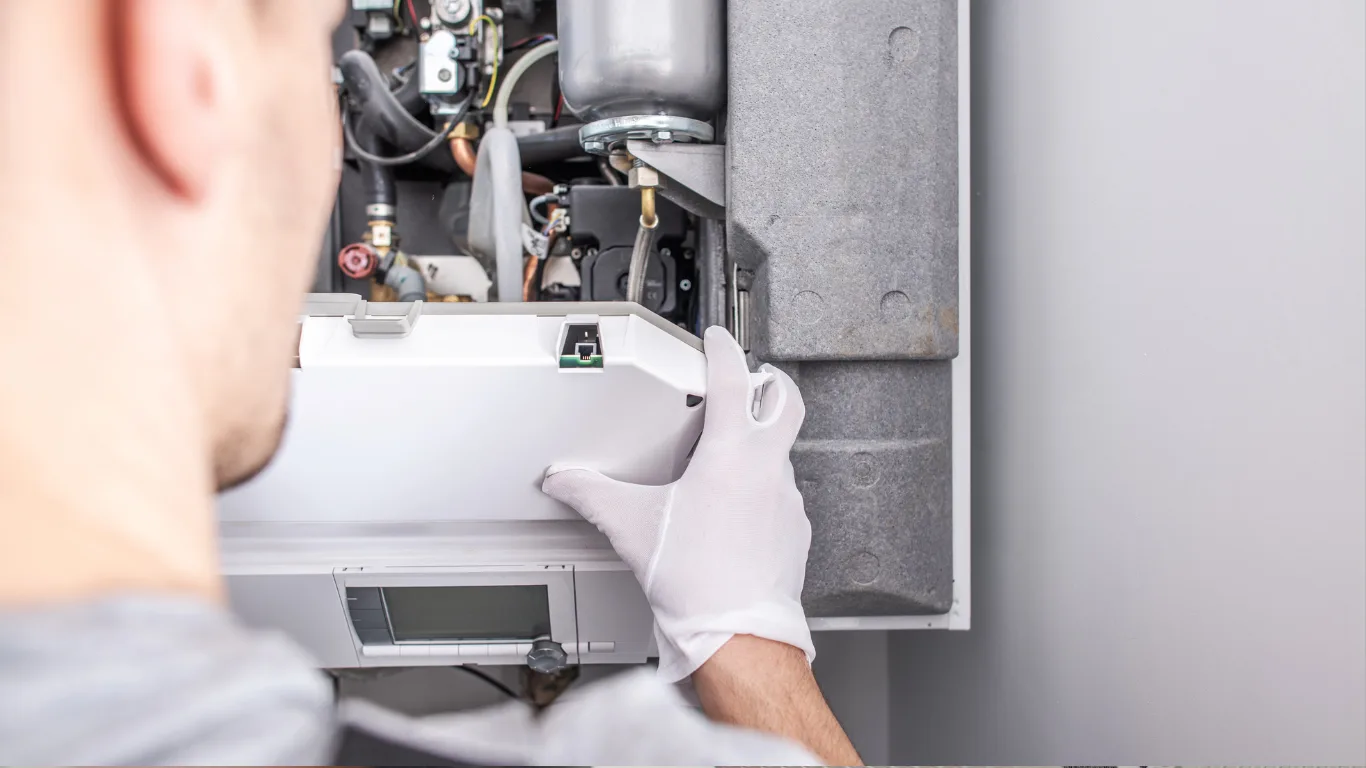
Choosing a new furnace is one of the most important decisions you’ll make as a homeowner. Your furnace isn’t just another appliance; it’s the heart of your home’s comfort system, responsible for keeping your family warm through Ontario’s harsh winters. With temperatures regularly dropping well below freezing and winter lasting nearly half the year, the right furnace installation can mean the difference between cozy comfort and shivering through cold snaps while watching your energy bills climb.
The furnace market has evolved dramatically in recent years. New technologies, efficiency standards, and heating options have made the selection process more complex than simply picking a brand and size. Making an informed decision requires understanding your home’s unique needs, the climate challenges specific to Ontario, and how different furnace types perform under real-world conditions.
Understanding Your Home’s Heating Requirements
Before you even look at furnace models, you need to understand what your home actually requires. This goes far beyond just square footage.
Home size and layout play crucial roles in determining heating needs. A 2,000 square foot bungalow has very different requirements than a 2,000 square foot two-story home. Heat rises, making multi-level homes more challenging to heat evenly.
Insulation quality dramatically impacts furnace sizing. Older Ontario homes built before modern building codes often have inadequate insulation in walls and attics. These homes lose heat rapidly and require more powerful heating systems.
Window efficiency matters more than most homeowners realize. Single-pane windows or old, drafty windows can account for up to 25% of heat loss in your home. If you’ve recently upgraded to energy-efficient windows, you might need less heating capacity than you think.
Ceiling height affects the volume of air your furnace needs to heat. Homes with vaulted ceilings or open-concept designs require careful consideration during furnace selection.
Ductwork condition influences how effectively heat is distributed throughout your home. Even the best furnace performs poorly with leaky, inadequate, or poorly designed ductwork.
Furnace Types and Their Ontario Performance
Ontario’s climate demands reliable, efficient heating. Here’s how different furnace types stack up:
Gas Furnaces
Natural gas furnaces remain the most popular choice across Ontario for good reason. They provide powerful, consistent heat even during the coldest winter nights. Modern gas furnaces operate quietly and efficiently, with high-efficiency models converting over 95% of fuel into usable heat.
Gas furnaces excel in Ontario’s climate because they can quickly heat your home from a cold start and maintain consistent temperatures regardless of outdoor conditions. They’re also cost-effective to operate, given natural gas prices in the region.
Electric Furnaces
Electric furnaces offer advantages in specific situations. They’re typically less expensive upfront, require less maintenance, and have longer lifespans than gas furnaces. They’re ideal for homes without natural gas access or smaller spaces like additions and basement apartments.
However, electricity costs in Ontario make electric furnaces more expensive to operate over time. They’re best suited for mild climates or supplementary heating rather than primary heating in larger homes facing harsh winters.
Oil Furnaces
While less common today, oil furnaces still serve many rural Ontario properties without natural gas access. Modern oil furnaces are significantly more efficient than older models, though they require regular furnace service and fuel delivery coordination.
Heat Pumps
Heat pumps have gained popularity as technology improves. They provide both heating and cooling, making them versatile year-round solutions. However, traditional heat pumps struggle when temperatures drop below minus 10 Celsius, requiring backup heating for Ontario winters. Newer cold-climate heat pumps perform better but come with higher price tags.
Efficiency Ratings That Actually Matter
Understanding efficiency ratings helps you predict long-term operating costs and environmental impact.
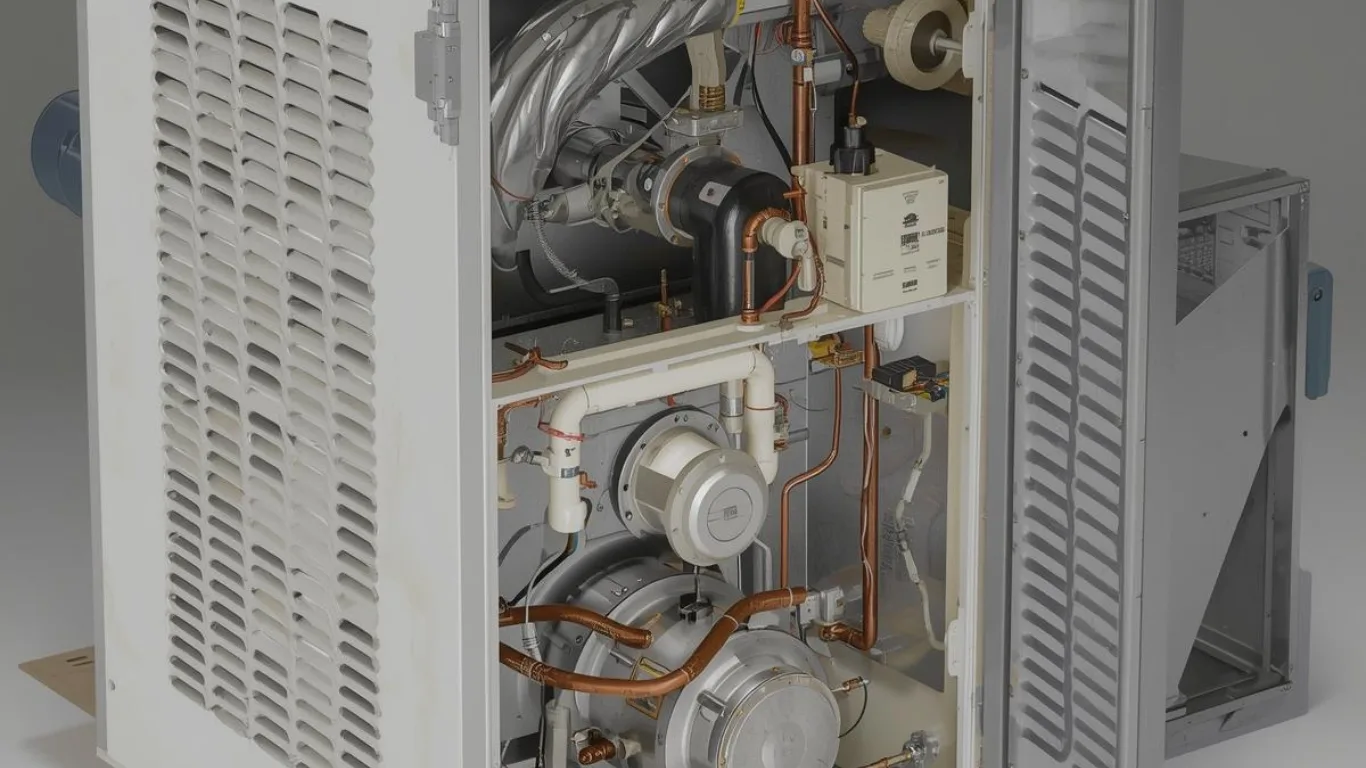
AFUE (Annual Fuel Utilization Efficiency) measures how much fuel converts to heat versus what escapes through the chimney. A furnace with 95% AFUE converts 95% of fuel into heat for your home.
Standard efficiency furnaces range from 80% to 85% AFUE. These cost less upfront but waste more fuel and money over time.
High-efficiency furnaces achieve 90% to 98.5% AFUE. They cost more initially but deliver significant savings on heating bills, often paying for themselves within 7 to 10 years through reduced energy consumption.
For Ontario homeowners, high-efficiency models make financial sense given our extended heating season. The longer your furnace runs each year, the faster efficiency upgrades pay for themselves.
Two-stage and modulating burners improve both efficiency and comfort. Single-stage furnaces run at full capacity whenever they’re on, cycling on and off frequently. Two-stage models operate at lower capacity most of the time, running longer cycles that distribute heat more evenly and reduce energy waste. Modulating furnaces adjust output incrementally, providing the most precise temperature control and best efficiency.
Sizing Your Furnace Correctly
Proper sizing is critical. Too large, and your furnace short-cycles, wasting energy and wearing out components prematurely. Too small, and it runs constantly, never quite keeping your home comfortable during cold snaps.
Manual J Load Calculation is the industry standard for proper furnace sizing. This comprehensive analysis considers:
Your home’s square footage and volume, Insulation levels in walls, attics, and basements, Window sizes, types, and orientations, Air infiltration rate, Local climate data, Number of occupants, Internal heat sources
Reputable HVAC companies perform this calculation before recommending furnace sizes. Be wary of contractors who estimate sizing based solely on square footage or simply replace your old furnace with the same capacity.
BTU output measures heating capacity. Ontario homes typically require 30 to 60 BTUs per square foot, depending on insulation quality, ceiling height, and other factors. A proper load calculation provides exact BTU requirements for your specific situation.
Features Worth Considering
Modern furnaces offer features that enhance comfort, efficiency, and convenience:
Variable-speed blowers adjust airflow based on heating demands. They run more quietly, distribute heat more evenly, improve air filtration, and reduce energy consumption compared to single-speed blowers.
Smart thermostat compatibility allows remote temperature control, scheduling, and energy monitoring through smartphone apps. Many high-efficiency furnaces integrate seamlessly with smart home systems.
Sealed combustion draws outside air for combustion rather than using indoor air. This improves efficiency and indoor air quality while reducing drafts.
Quiet operation matters when your furnace is located near living spaces. Look for models with insulated cabinets and vibration-dampening features if noise is a concern.
Warranty coverage varies significantly between manufacturers and models. Premium furnaces often include longer warranties on heat exchangers and components, providing peace of mind for your investment.
Installation Quality Makes or Breaks Performance
Even the best furnace performs poorly with substandard installation. Professional furnace installation involves far more than simply connecting a new unit.
Proper ductwork assessment and modification ensure adequate airflow throughout your home. Undersized ducts create pressure problems that reduce efficiency and comfort.
Correct venting installation is crucial for safety and efficiency. High-efficiency furnaces require specific PVC venting that must be installed according to manufacturer specifications and building codes.
Electrical connections and gas line sizing must meet code requirements and provide adequate capacity for your new furnace.
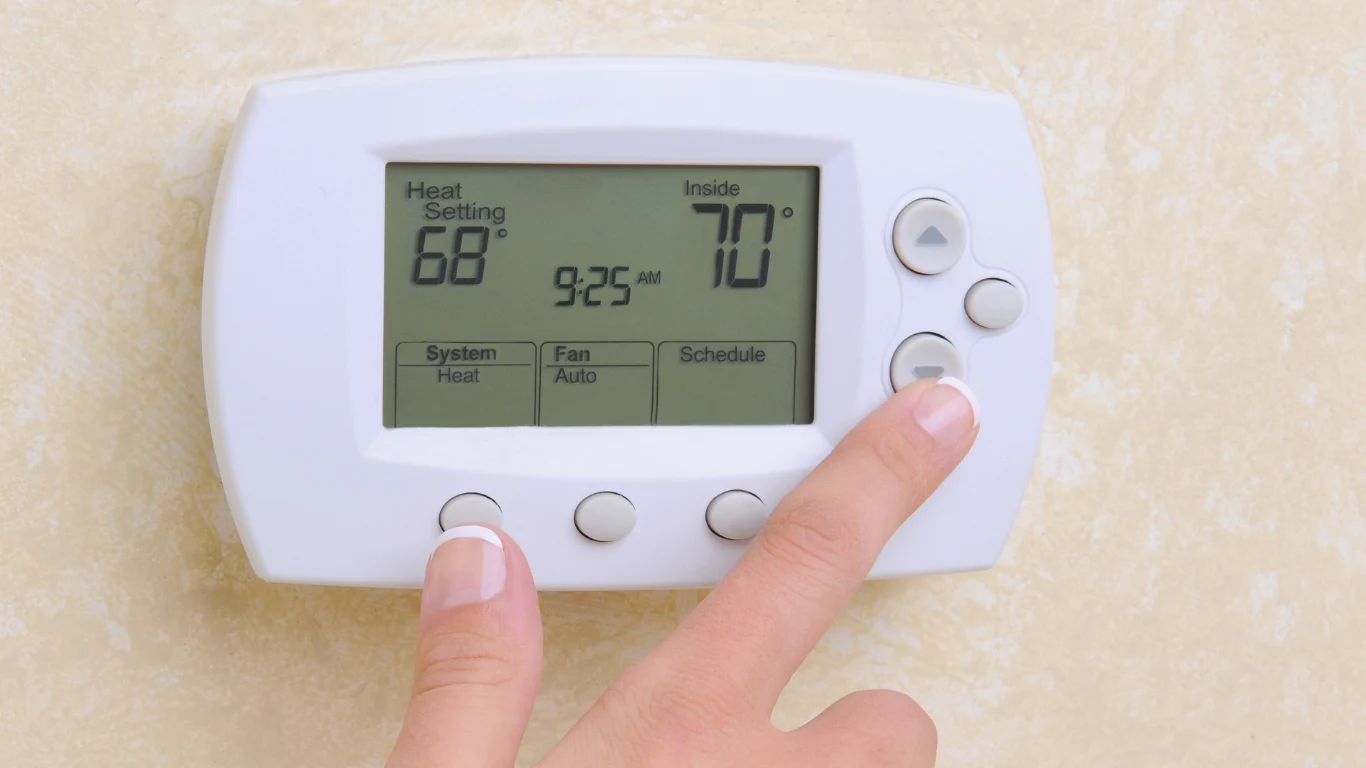
Thermostat placement and programming affect how effectively your furnace maintains comfort. Thermostats near windows, doors, or heat sources cause cycling problems.
System testing and balancing after installation ensures your furnace operates at rated efficiency and all areas of your home receive adequate heat.
Maintenance and Long-Term Service Considerations
Your furnace is a long-term investment requiring regular attention to maintain efficiency and reliability.
Annual professional maintenance should include burner inspection and cleaning, heat exchanger examination, blower motor lubrication, electrical connection checks, and safety control testing. Regular furnace service prevents small issues from becoming expensive repairs and extends equipment life.
Filter replacement schedules depend on your furnace type, filter quality, and home conditions. Most homes benefit from monthly filter checks and replacement every one to three months.
Service plan benefits offered by HVAC companies provide priority scheduling, discounted repairs, and regular maintenance reminders. These plans often pay for themselves by catching problems early and maintaining peak efficiency.
Budget Considerations Beyond Purchase Price
Looking only at furnace cost misses the complete financial picture.
Installation expenses vary based on complexity. Simple replacements cost less than installations requiring ductwork modifications, electrical upgrades, or venting changes.
Operating costs over your furnace’s 15 to 20 year lifespan dwarf the initial investment. A high-efficiency furnace costing $2,000 more upfront but saving $300 annually on heating bills pays for itself in less than seven years and continues saving money for another decade.
Rebates and incentives are frequently available for high-efficiency equipment through provincial programs, utility companies, and federal initiatives. These can offset $500 to $2,000 of furnace installation costs.
Financing options make premium equipment accessible. Many HVAC companies offer payment plans that let you invest in better equipment while immediately enjoying lower operating costs.
Making Your Decision
Choosing the right furnace requires balancing upfront costs, long-term operating expenses, comfort preferences, and your home’s specific requirements.
Start by getting professional assessments from qualified contractors who perform proper load calculations. Compare proposals carefully, looking beyond price to consider equipment quality, warranty coverage, and installation details.
Ask about the contractor’s experience with your chosen furnace brand, their service capabilities, and customer references. The relationship doesn’t end with installation—you want a company that will be there for ongoing furnace service and support.
Your Comfort Starts With the Right Choice
Ontario winters demand heating systems that deliver reliable comfort without breaking your budget. The right furnace installation sets the foundation for years of dependable warmth and manageable energy costs.
Maintemp Heating and Air Conditioning brings decades of experience helping homeowners throughout the Greater Toronto Area select and install furnaces perfectly matched to their needs. Our technicians take the time to understand your home’s unique characteristics, perform detailed load calculations, and explain your options clearly without pressure or confusing jargon. We stand behind our work with comprehensive warranties and ongoing furnace service that keeps your investment running smoothly year after year. When you’re ready to invest in home comfort that lasts, Maintemp is ready to guide you through every step of the process.
Frequently Asked Questions
What size furnace do I need for a 2,000 square foot home in Ontario?
Furnace sizing depends on much more than square footage alone. A typical 2,000 square foot Ontario home requires between 60,000 and 100,000 BTUs, but this range varies significantly based on insulation quality, ceiling height, window efficiency, and home layout. The only accurate way to determine proper sizing is through a Manual J load calculation performed by a qualified technician who evaluates your specific home’s characteristics and heat loss factors.
Should I replace my furnace and air conditioner at the same time, even if only one has failed?
Replacing both simultaneously makes sense in several situations. If your air conditioner is over 10 years old when your furnace fails, replacing both avoids a second installation cost within a few years. Matched systems operate more efficiently together. However, if your air conditioner is relatively new and working well, there’s no need to replace it prematurely. A qualified Maintemp technician can assess your specific situation and provide honest recommendations.